
The Complete Guide to Experience Center Design

Organizations often approach their first experience center the way they would approach any large capital project: hire a design firm, pick finishes, choose furniture, install some screens. That approach consistently produces spaces that look accomplished and communicate very little. Experience Center Design requires a different starting point entirely, one built around strategy and story rather than surfaces.
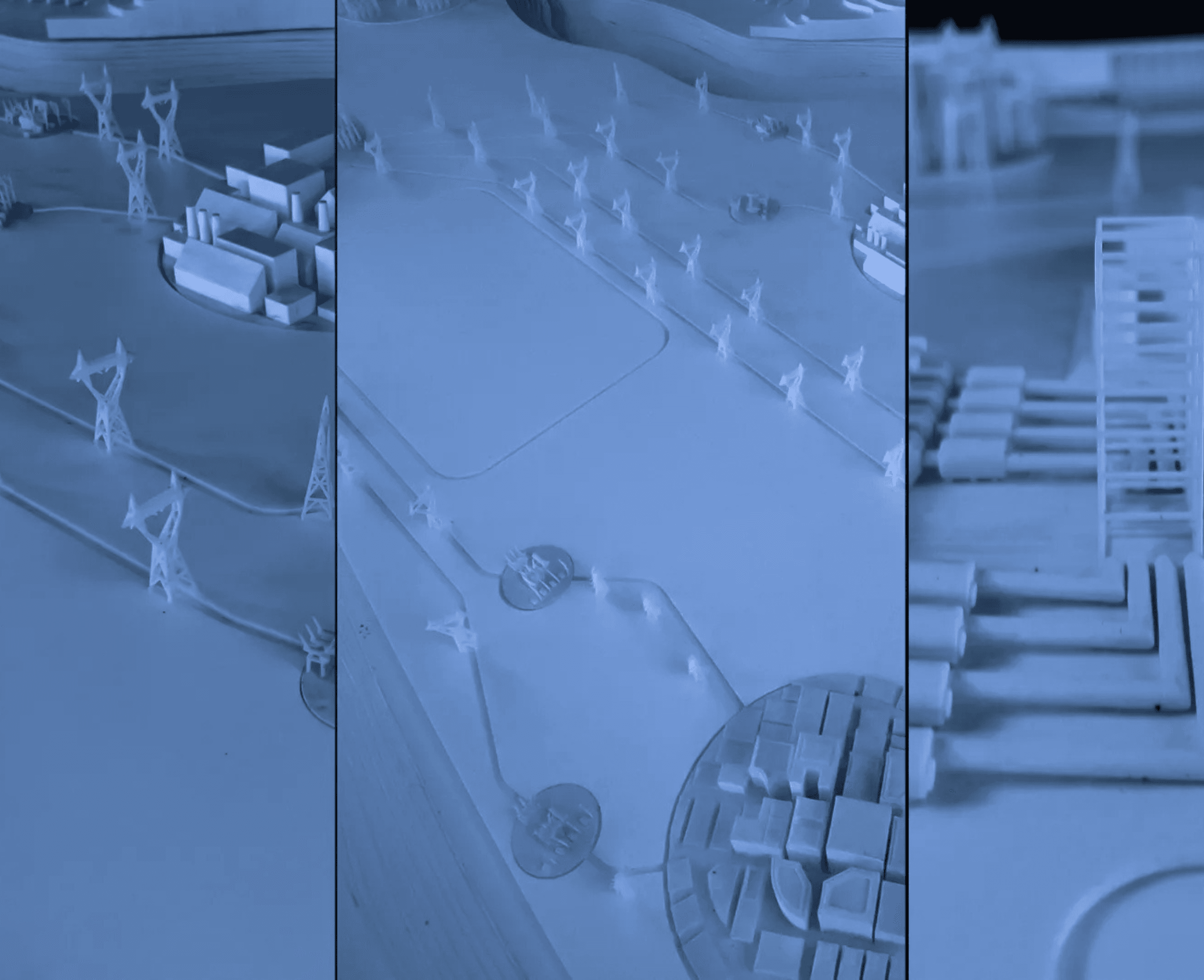
What Is Experience Center Design and Why It Matters
Experience Center Design is the discipline of shaping a physical environment specifically to help visitors understand, feel, and remember an organization's capabilities, innovation, or vision. It sits at the intersection of strategy, storytelling, spatial planning, and technology, rather than belonging to any single one of those disciplines alone.
This matters because most organizations already have plenty of channels for delivering information, decks, brochures, websites. What they lack is a way to make that information emotionally resonant and memorable. Experience Center Design exists specifically to close that gap, using space itself as a communication tool rather than a backdrop.
How an Experience Center Differs From a Traditional Space
An experience center is built around a defined visitor journey, with content, pacing, and interaction sequenced to build understanding progressively, moment to moment. A traditional corporate space, a lobby, a briefing room, a showroom, typically has no such sequence. Visitors move through it without any deliberate narrative guiding what they encounter or in what order.
That structural difference is what separates a genuinely effective experience center from an attractive room with technology in it. Sequence, pacing, and narrative logic are what turn a collection of impressive elements into a coherent journey a visitor can actually follow and recall afterward.
Why Experience Center Design Is Not Just Interior Design
Interior Design focuses primarily on the aesthetics, materials, and spatial arrangement of a physical environment, questions of finish, layout, and visual coherence. Those elements matter inside an experience center, but they are in service of a larger goal, not the goal itself.
Experience Center Design begins with business objectives and visitor psychology, then works backwards to determine which spatial and material choices actually support the story being told. A beautifully finished room built without that strategic foundation may satisfy Interior Design standards while still failing at its actual job, which is helping a specific visitor understand and remember a specific message.
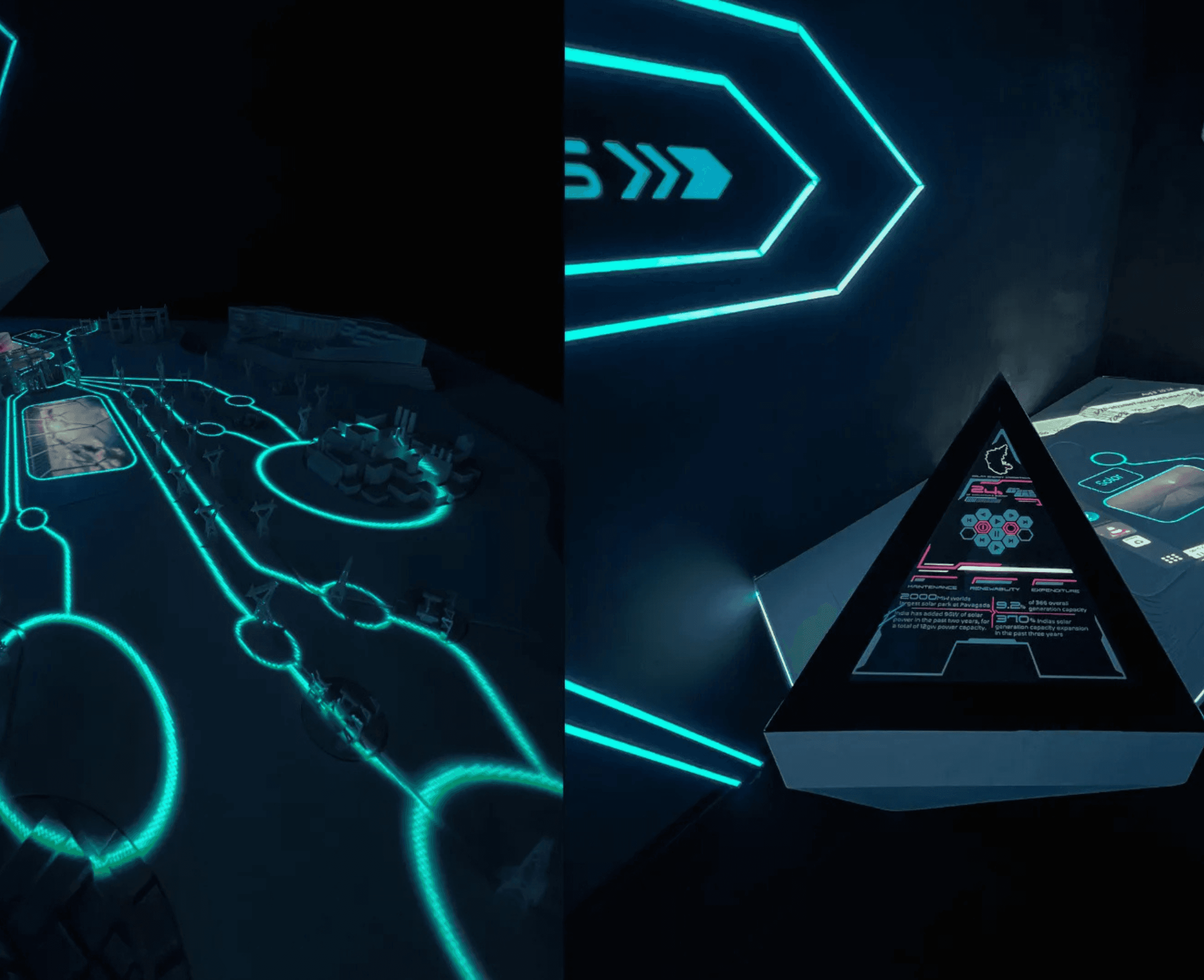
The Role of Experience Strategy in Every Design Decision
Experience strategy defines the visitor journey, key messages, and desired emotional and cognitive outcomes before any spatial or technology decision is made. Every subsequent choice, layout, lighting, interactive elements, material selection, should trace back to a specific requirement established in that strategy.
Without a clear experience strategy guiding the process, design decisions default to preference or trend, producing spaces that may photograph well but drift from the actual communication goal. With a strong experience strategy in place, even simple design choices carry clear purpose, because each one is answering a specific question about what a visitor needs to understand at that exact point in their journey.
How REDS Approaches Experience Center Design From Strategy to Execution
This is the sequence REDS follows on every project: experience strategy first, defining the visitor journey and key messages, followed by spatial and technology decisions made specifically to serve that strategy. Interior finishes and materials are chosen only once the narrative and functional requirements of the space are clear, never as the starting point.
This order matters because it consistently produces experience centers that function as genuine business tools rather than expensive backdrops. A well designed lobby can be memorable. An experience center built through this discipline is designed to change what a visitor understands and believes, which is a fundamentally higher bar.
Ready to Design an Experience Center Built on Strategy
If your current space was designed around finishes rather than a visitor journey, it is likely underperforming as a communication tool. REDS approaches Experience Center Design as a strategic discipline, starting with experience strategy and using spatial design to serve it, not the other way around.
Talk to REDS about designing an experience center built on strategy from day one.
Frequently Asked Questions
What is Experience Center Design?
Experience Center Design is the discipline of shaping a physical environment to help visitors understand, feel, and remember an organization's story, combining strategy, storytelling, spatial design, and technology into a single coordinated journey.
How is an experience center different from a traditional corporate space?
An experience center is built around a deliberate visitor journey with sequenced content and pacing, while traditional spaces like lobbies or showrooms typically lack that structured narrative logic.
Is Experience Center Design the same as Interior Design?
No. Interior Design focuses primarily on aesthetics, materials, and layout, while Experience Center Design starts from business objectives and visitor psychology, using spatial and material choices in service of a specific communication strategy.
Why is experience strategy considered before spatial design?
Experience strategy defines the visitor journey and desired outcomes first, ensuring every subsequent design decision has clear purpose rather than being driven by trend or aesthetic preference alone.