
Technology Fails in Most Experience Centers Within 6 Months. Here's Why.

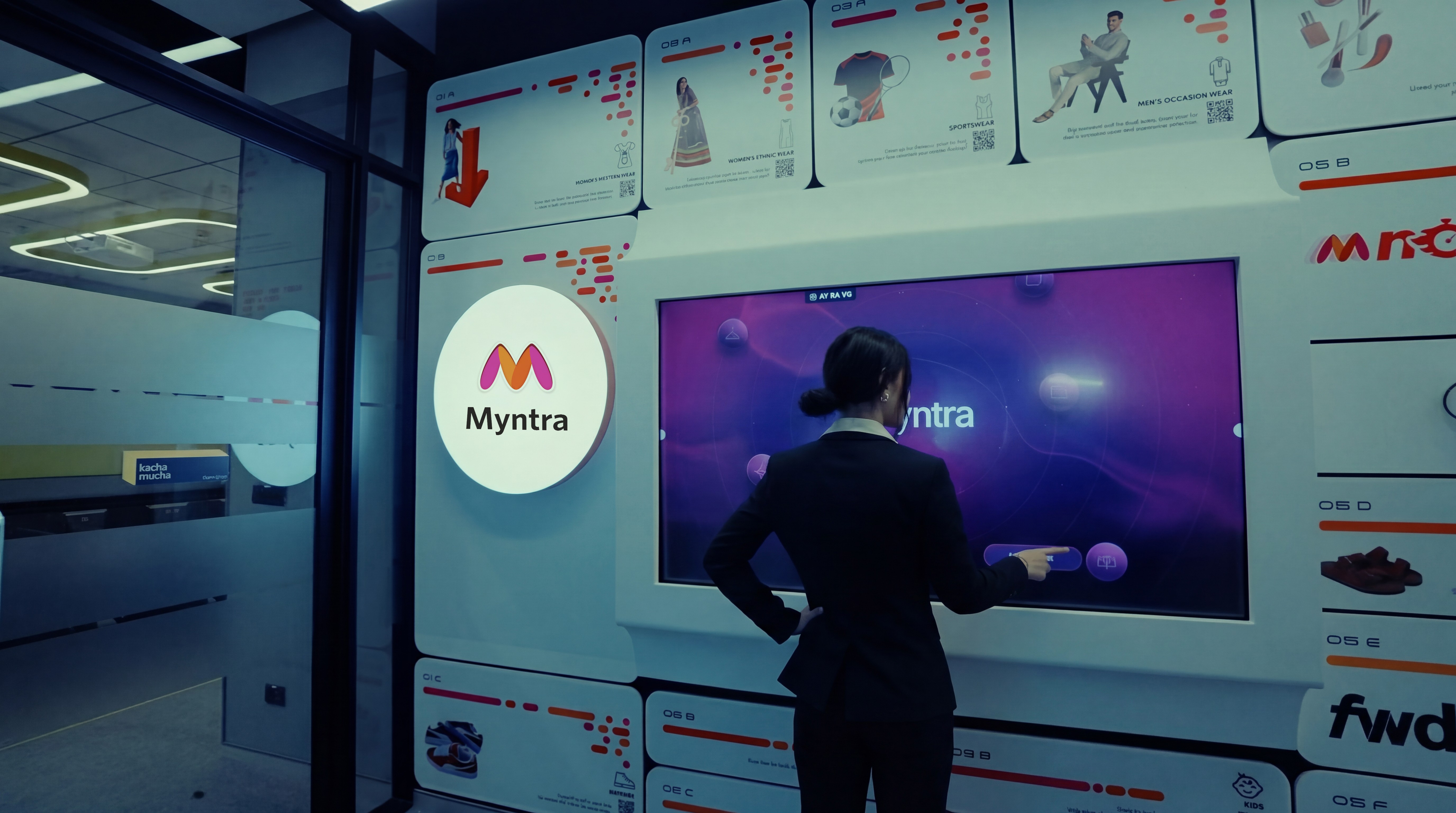
Walk into a newly launched experience center and you'll often be greeted by immersive projection mapping, interactive touchscreens, LED walls, augmented reality demonstrations, or digital installations that promise to leave a lasting impression. On opening day, these technologies are exciting, engaging, and often become the highlight of the visitor journey. Yet, return six months later, and the experience can feel very different. The hardware still works, but the excitement has faded. Content is outdated, interactions feel repetitive, and visitors are no longer discovering anything new.
This is one of the most common challenges in experience center design. Technology doesn't usually fail because it breaks down; it fails because it stops serving a meaningful purpose. The organizations that build experience centers with longevity in mind understand that technology is only one component of a much larger experience. The real challenge is not installing impressive digital tools but ensuring they continue to create value long after the launch event is over.
Technology Doesn't Fail. Strategy Does.
Many organizations begin their experience center projects by discussing technology. They explore touch tables, immersive rooms, holographic displays, virtual reality, or AI-powered interactions before defining what they actually want visitors to understand or remember. As a result, technology becomes the centerpiece of the project instead of a tool that supports a clear business objective.
An effective experience center should first answer questions such as: What story are we trying to tell? What perception should visitors leave with? What business outcome are we trying to influence? Only after these questions are answered should technology be selected. When strategy leads the process, technology strengthens the experience. When technology leads, the experience often becomes dependent on novelty, and novelty has a short lifespan.
The Biggest Reason Technology Becomes Irrelevant
The most expensive asset in an experience center is rarely the hardware. It is the content.
A digital display showing outdated achievements, discontinued products, or last year's company milestones quickly loses credibility. Visitors notice when information hasn't evolved, even if the technology itself is functioning perfectly. Unfortunately, many organizations treat content creation as the final task before launch rather than an ongoing responsibility.
Experience centers should evolve alongside the business. New products, innovations, customer success stories, sustainability initiatives, and research breakthroughs should regularly become part of the visitor journey. When content remains current, the same technology can continue delivering value for years without requiring major hardware upgrades.
Technology Should Support the Visitor Journey
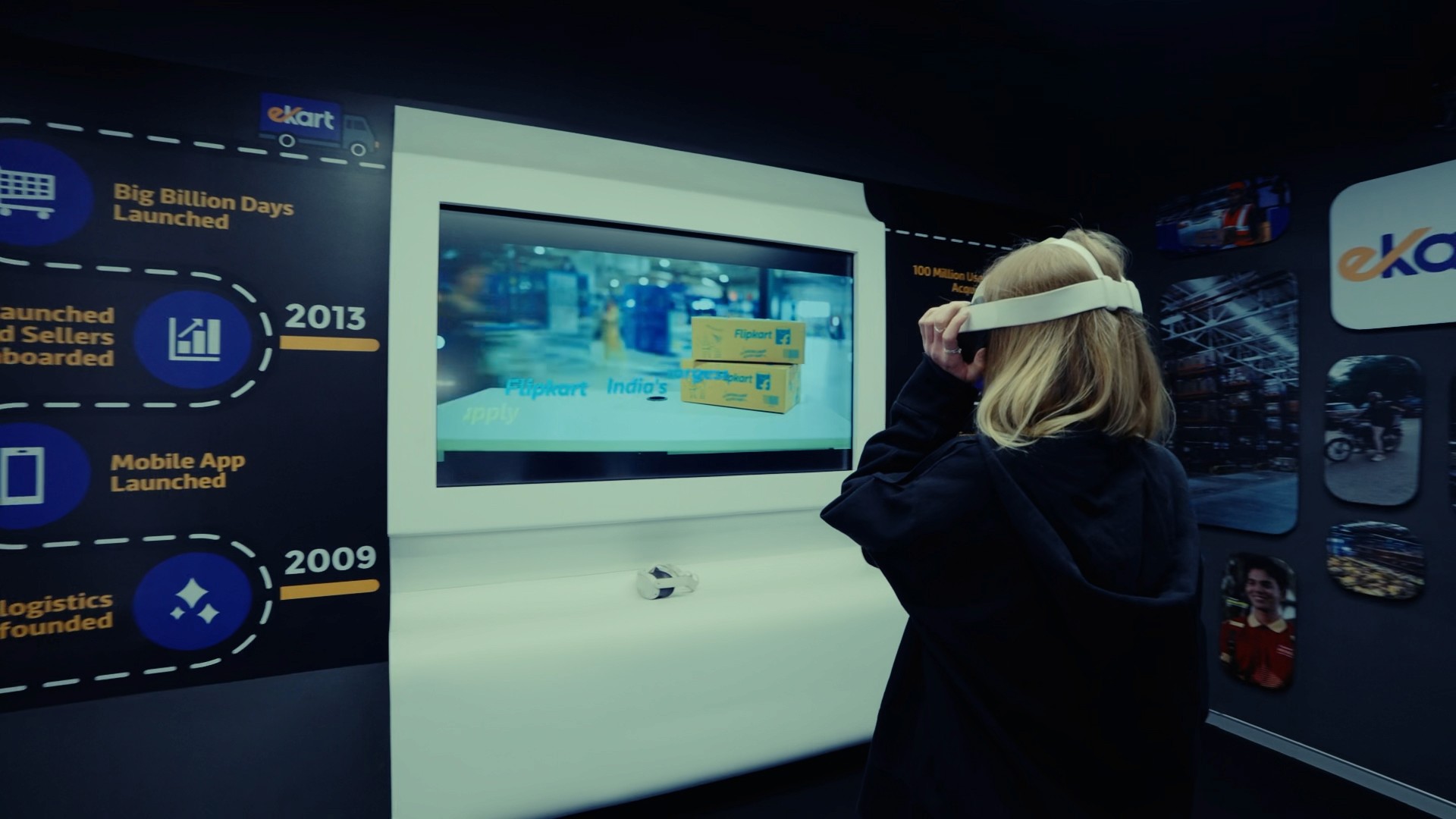
One of the biggest misconceptions in experience center design is that adding more technology automatically creates a better experience. In reality, visitors rarely remember individual screens or interactive installations. They remember how clearly the experience communicated an idea and how easily they understood the company's story.
For example, a touchscreen with hundreds of technical specifications may be less effective than a simple interactive model that explains how a product solves a real-world problem. Likewise, an immersive projection room only creates value if it helps visitors connect emotionally with the organization's vision rather than overwhelming them with visual effects.
Technology should simplify communication, not complicate it. Every digital interaction should have a clear purpose within the overall visitor journey.
The Missing Piece: Ownership
Another reason technology gradually loses its impact is the absence of long-term ownership. Once an experience center opens, responsibility is often divided across multiple departments. IT manages the hardware, marketing updates brand messaging, facilities maintain the physical space, and operations coordinate visitor schedules. While each team performs its role effectively, no single team is responsible for the experience as a whole.
Over time, this fragmented approach creates small but noticeable problems. Videos are not updated, interactive displays contain outdated information, software updates are delayed, and visitor feedback is rarely reviewed. None of these issues happen overnight, but together they reduce the quality of the experience.
Successful experience centers treat visitor experience as an ongoing operational responsibility rather than a completed design project.
The REDS™ Perspective: Design for Adaptability, Not Just Innovation
At REDS™, we believe the most future-ready experience centers are designed to evolve. Instead of asking, "What is the newest technology available?" we begin with a different question: "What experience should still be relevant three years from now?"
This shift changes every design decision. Technology platforms are selected because they can be updated without replacing entire systems. Content strategies are developed alongside spatial design rather than after construction. Visitor feedback becomes part of continuous improvement instead of a post-launch formality. Most importantly, every technology decision is evaluated against its ability to communicate the organization's story more effectively.
Innovation should never be measured by the number of digital installations in a space. It should be measured by how effectively those installations continue to educate, inspire, and engage visitors over time.
Building Experience Centers That Last
Technology will always evolve, and today's innovations will eventually become tomorrow's standard features. What doesn't change is the need for meaningful communication. Organizations that build their experience centers around a clear strategy, compelling storytelling, adaptable content, and measurable visitor outcomes are far more likely to create experiences that remain relevant for years.
The most successful experience centers are not remembered because they had the largest LED wall or the newest immersive technology. They are remembered because every interaction helped visitors understand something valuable, strengthened trust, and reinforced the organization's vision. When strategy becomes the foundation, technology stops being a short-lived attraction and becomes a long-term business asset.
Frequently Asked Questions
Why does technology become outdated in experience centers?
Technology often becomes outdated because content, messaging, and visitor expectations evolve faster than the hardware itself. Without regular updates, even advanced installations lose their impact.
How can organizations make experience center technology last longer?
By investing in flexible technology platforms, maintaining an ongoing content strategy, assigning clear ownership, and regularly reviewing visitor feedback, organizations can extend the value of their digital investments.
Is advanced technology essential for every experience center?
No. Technology should only be used when it improves communication or engagement. A well-designed visitor journey with compelling storytelling is often more valuable than adding technology for its own sake.
How often should experience center content be updated?
Content should be reviewed whenever there are significant business updates, such as new products, innovations, achievements, or strategic changes. Regular reviews help keep the experience relevant and credible.
What is the biggest mistake organizations make with experience center technology?
The biggest mistake is treating technology as the attraction instead of using it to support a story, visitor journey, and business objective.