
What does it mean that space is brand equity?

Space as brand equity means a physical environment an experience center, headquarters, or visitor center functions as a living, trust-building brand asset, not merely as real estate measured in square footage. Brands today are defined less by logos and advertising and more by experience. A space designed as brand equity reinforces brand values at every touchpoint, communicates organizational culture before a word is spoken, builds trust through consistent material and design quality, and differentiates the organisation from competitors relying on aesthetics alone. Under this view, every square foot either compounds brand value or quietly erodes it there is no neutral space.
Two Buildings, Same Square Footage, Different Worth
Two organisations lease identical floor plates in the same business park. Same square footage. Same rent per square foot. Same glass facade.
One treats the space as overhead, a place employees occupy, and visitors pass through on their way to a meeting room. The other treats the space as an asset engineered so that every visitor who walks through reception forms a specific, intended impression before a single word is spoken in the boardroom.
A year later, ask either organisation what their space is worth, and you will get two completely different answers. One will quote a number from a real estate broker. The other will tell you about a deal that closed because a delegation walked the floor and left convinced. About candidates who accepted offers after a tour, not after a salary negotiation. About a renewal a client signed without even asking for a discount.
Same square footage. Radically different worth.
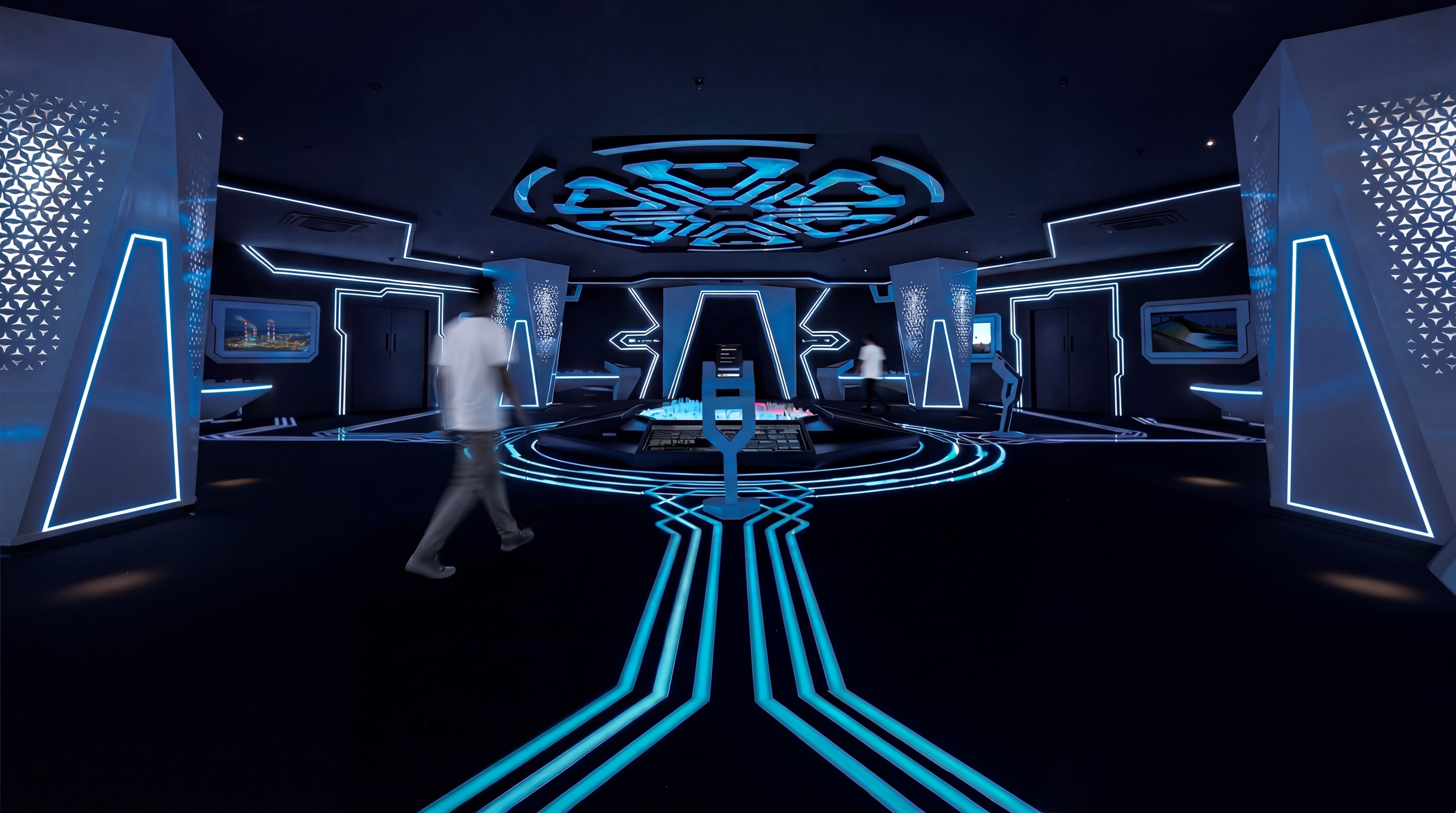
This is the distinction most organisations miss entirely when they think about physical space, and it is the central idea behind why REDS™ treats every experience center, headquarters, and visitor environment not as real estate, but as brand equity.
Brands Are No Longer Built Where You Think
For most of the last century, brand equity was built through logos, advertising campaigns, and communication. A consistent visual identity. A recognizable tagline. A media spend that bought attention and, over time, trust.
That era has not disappeared, but it has been overtaken. Brands today are increasingly defined by experience by what people feel when they actually encounter the organization, not what they are told about it in a campaign. A space is a holistic identity that embodies everything an asset brings to the table, the experience an audience has when interacting with it, and a story about why it matters beyond its physical attributes.
This is true of buildings the same way it is true of products. Trust, in particular, has become the deciding factor in nearly every meaningful business relationship, whether that relationship is a customer purchase, an investment decision, or a talent acceptance. Trust is famously difficult to quantify, and yet its effects on decision-making are exponential.
A physical space designed with intent is one of the most powerful and most underused mechanisms an organization has for building that trust. Not because it announces trustworthiness through a mission statement on the wall, but because consistently crafted environments generate confidence through the quality of every material, every detail, every interaction a visitor has, whether they consciously register it or not.
Most organizations spend years building brand equity through marketing and then walk every important visitor through a building that contradicts everything the marketing claimed.
Why Square Footage Is the Wrong Unit of Measurement
Ask most CFOs how to evaluate a corporate space, and the answer comes back in familiar terms: cost per square foot, occupancy rate, lease term, depreciation schedule. These are legitimate financial metrics. They are also, on their own, the wrong lens entirely for understanding what a space is actually worth to the organization.
Square footage measures capacity. It tells you how many desks fit, how many visitors a lobby can hold, how much storage a facility offers. It tells you nothing about what happens in the minds of the people who occupy that capacity.
A 5,000-square-foot experience center that visitors forget the moment they leave has delivered zero brand equity, regardless of how much it cost per square foot to build. A 2,000-square-foot innovation lab that a visiting delegation references for years afterward, in every subsequent conversation about why they chose to partner with this organization, has delivered enormous brand equity on a fraction of the footprint.
The commercial real estate industry itself has started to recognize this distinction. Established brand equity gives an asset resiliency, and a meaningful brand commands rent and tenant loyalty that aesthetics alone cannot. If this principle holds for leased office space competing on amenities, it holds with far greater force for an organization's flagship experience center, headquarters, or visitor environment spaces built specifically to represent the brand at its most consequential moments.
Square footage is a cost metric. Brand equity is a value metric. Treating one as a proxy for the other is how organizations end up with expensive spaces that are worth less than they cost.
The Three Mechanisms Through Which Space Builds Equity
Space does not build brand equity through size or spend. It builds equity through three specific mechanisms and an organization that understands these can deliberately engineer a space to compound trust, rather than hoping good materials and clever signage will produce it by accident.
Space as Brand Amplifier. Every spatial decision either reinforces brand values or quietly undermines them. An organization that positions itself as innovative but houses that claim in a conventional, undifferentiated office has created a credibility gap before a single conversation begins. A space designed as brand equity makes those values tangible rather than aspirational visitors do not have to take the organization's word for its innovation, culture, or ambition. They walk through evidence of it.
Space as Culture Carrier. A built environment communicates organizational culture to employees, clients, and visitors before anyone speaks a word. A new hire's first hour in a building tells them more about what the organization actually values than any onboarding deck. A client touring a facility absorbs more about how seriously an organization takes quality, precision, and people than any sales presentation could convey. Most organizations leave this communication to chance. The ones that treat space as brand equity design it deliberately.
Space as Trust-Building Mechanism. Trust compounds through consistency visible, physical consistency, sustained across every material, every detail, every interaction, not just the highlight reel zones designed to impress. A space that is stunning in the lobby and careless in the corridor sends a clearer signal about the organization's actual standards than the lobby ever could on its own. Consistently crafted environments generate confidence precisely because there is nowhere in the space where the standard quietly drops.
These three mechanisms compound over time the same way financial equity does. A space engineered to reinforce, communicate, and build trust at every touchpoint becomes a more valuable asset the longer it operates generating advocacy, retention, and conviction long after the construction invoice has been paid. A decorated space depreciates the moment the trend it was built around goes out of style.
What Happens When Organizations Skip This
The cost of treating space as square footage rather than brand equity is rarely visible immediately. It shows up later, indirectly, in numbers that no one connects back to the building.
It shows up in a deal that stalled after a site visit, for reasons the sales team could never quite articulate. It shows up in offer acceptance rates that lag behind a competitor whose office tour clearly outperformed the salary on the table. It shows up in client renewal conversations where price becomes the only lever left to pull, because nothing about the relationship's physical touchpoints reinforced the value being delivered.
None of these outcomes get traced back to the building. They get attributed to sales execution, compensation strategy, or competitive pricing because the organization never built a system to measure what its physical space was actually contributing, or costing, in the first place.
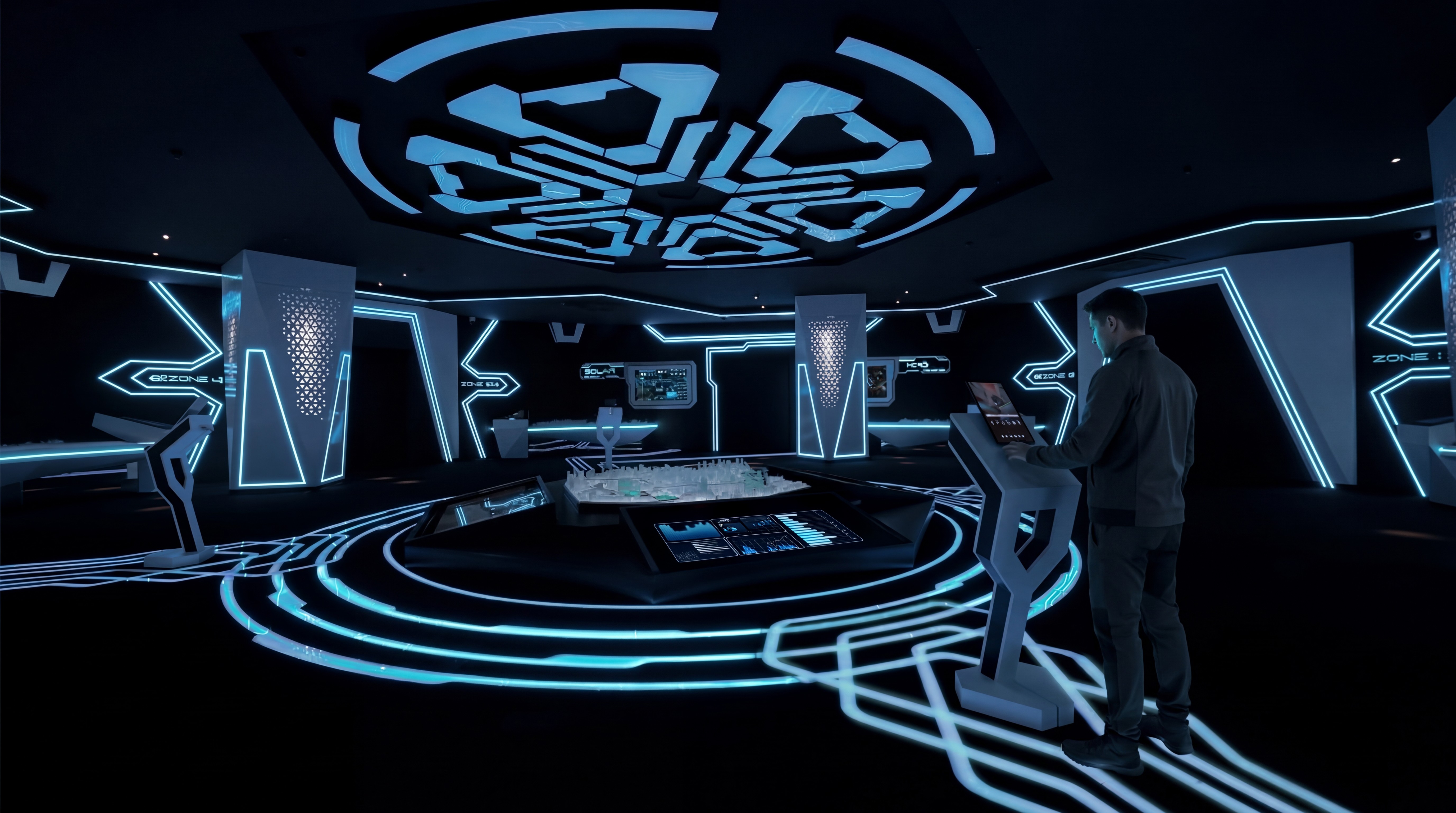
This is precisely the gap REDS™ exists to close. A space engineered for brand equity is measured the same way any other strategic asset is measured against benchmarks for brand perception uplift, visitor recall, advocacy, and trust, set before design begins and validated after launch. An organization that cannot answer what its experience center, headquarters, or visitor environment contributed to brand equity over the past year has not been managing an asset. It has been managing overhead and hoping for the best.
Treating Space as a Strategic Asset, Not a Real Estate Line Item
The shift required here is not architectural. It is a shift in how leadership accounts for the building in the first place.
A space treated as brand equity is reviewed the way a marketing campaign or a product launch would be reviewed with defined objectives before it is built, and measured outcomes after it opens. It is evaluated not by how many square feet it occupies on a balance sheet, but by what it changed in the minds of the people who walked through it: did perception shift, did trust deepen, did the conversation that followed the visit go differently than it would have otherwise.
This is the standard REDS™ holds every project to. Not because square footage does not matter it does, financially, operationally, practically. But because square footage was never the actual asset. The asset is what that footage does to the people who occupy it, walk through it, and remember it long after they have left.
Two identical buildings. Same square footage. One is overhead. The other is equity. The difference was never the architecture. It was the intent.
Frequently Asked Questions
What does it mean that space is brand equity?
Space as brand equity means a physical environment functions as a trust-building brand asset, reinforcing values, communicating culture, and building confidence rather than simply being real estate measured in square footage.
How is space different from real estate as a brand asset?
Real estate is measured by capacity and cost per square foot; brand equity is measured by what a space changes in visitor perception, trust, and advocacy two identical buildings can have wildly different brand value despite identical square footage.
How can an organization measure the brand equity of its physical space?
Brand equity from space is measured against benchmarks set before design begins including brand perception uplift, visitor recall, advocacy rate, and trust indicators validated through post-occupancy evaluation after launch.