
Most Spaces Are Designed for Drawings. We Design for Behaviour.

Walk into many newly completed corporate spaces and you'll notice the same thing: beautiful architecture, premium materials, impressive lighting, and carefully selected finishes.
Everything looks exceptional.
But one question is rarely asked:
How do people actually behave once they enter the space?
Do they stop where they're supposed to? Do they understand the story? Do they engage with the content? Do they leave with greater confidence in the brand?
These are the questions that determine whether an experience center succeeds.
At REDS™, we believe the true purpose of experience center design isn't simply to create beautiful spaces. It's to shape human behaviour. Every decision from layout and storytelling to technology and interaction should guide how visitors think, feel, move, and respond.
That's the difference between designing for drawings and designing for behaviour.
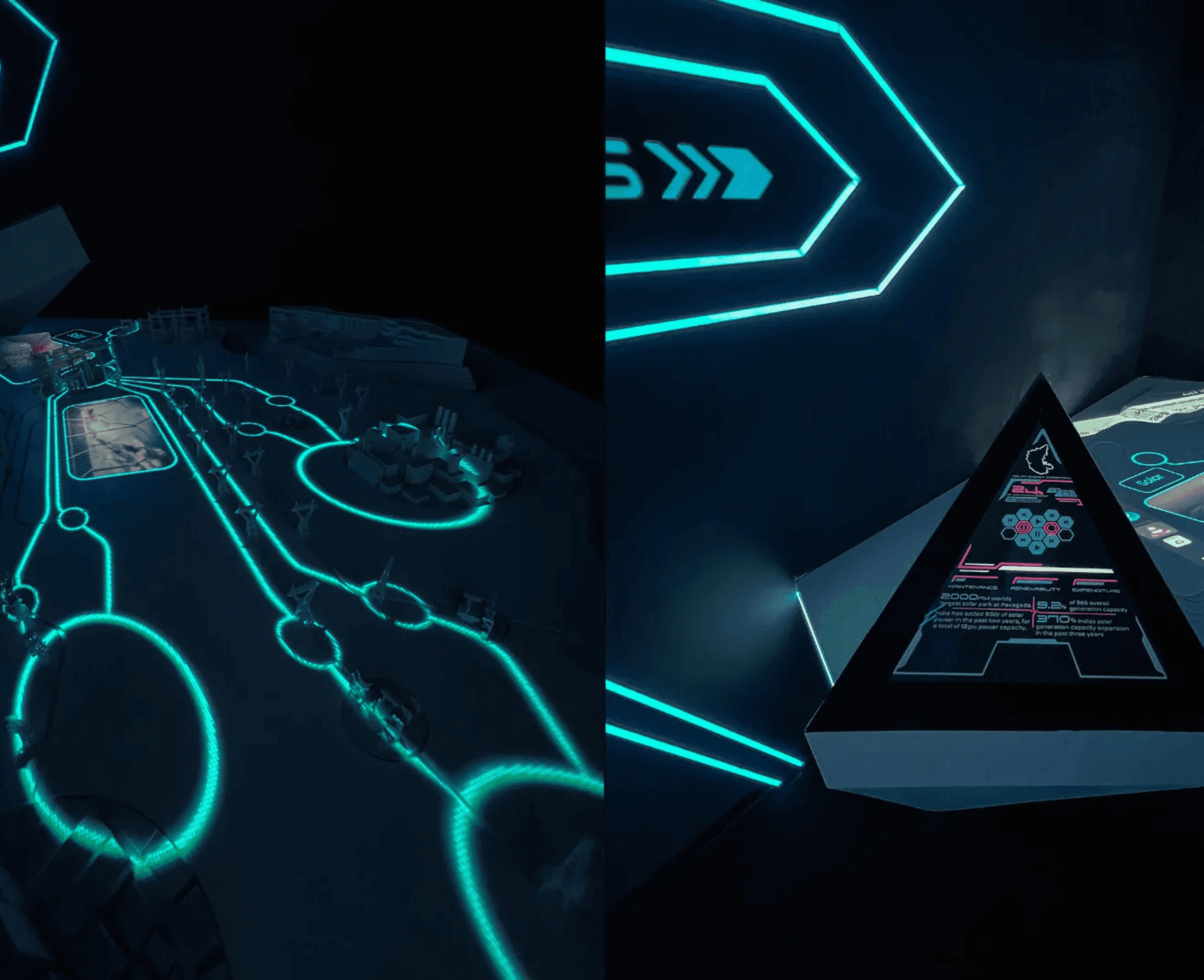
What Does It Mean to Design for Behaviour?
Designing for behaviour means creating spaces that intentionally influence how people experience information and make decisions.
Instead of beginning with aesthetics, the process begins with people.
Questions such as these guide every design decision:
Where will visitors naturally pause?
Which message should they remember most?
What emotions should the journey create?
Which interaction builds the greatest trust?
What action should visitors take before they leave?
When these questions shape the design process, every element has a purpose beyond appearance.
Why Beautiful Spaces Aren't Always Effective
A visually impressive space doesn't automatically create an immersive experience.
Visitors don't remember every wall finish or lighting fixture. They remember moments that captured their attention, answered their questions, or changed their perception.
This is why some modest spaces leave lasting impressions while larger, more expensive environments are quickly forgotten.
The success of an experience center isn't measured by how it looks in photographs. It's measured by what visitors remember after they leave.
Behaviour Is Designed, Not Accidental
Human behaviour follows patterns.
People naturally look toward light. They follow visual cues. They pause when something surprises them. They engage when information is relevant and easy to understand.
Great experience center design acknowledges these patterns instead of expecting visitors to discover information on their own.
For example, if an organization wants visitors to understand its innovation capabilities, presenting technical information on multiple disconnected displays may create confusion.
A carefully designed journey, however, introduces the challenge first, explains the solution next, and concludes with measurable impact. Visitors don't simply receive informationthey understand it. That's behaviour-driven design.
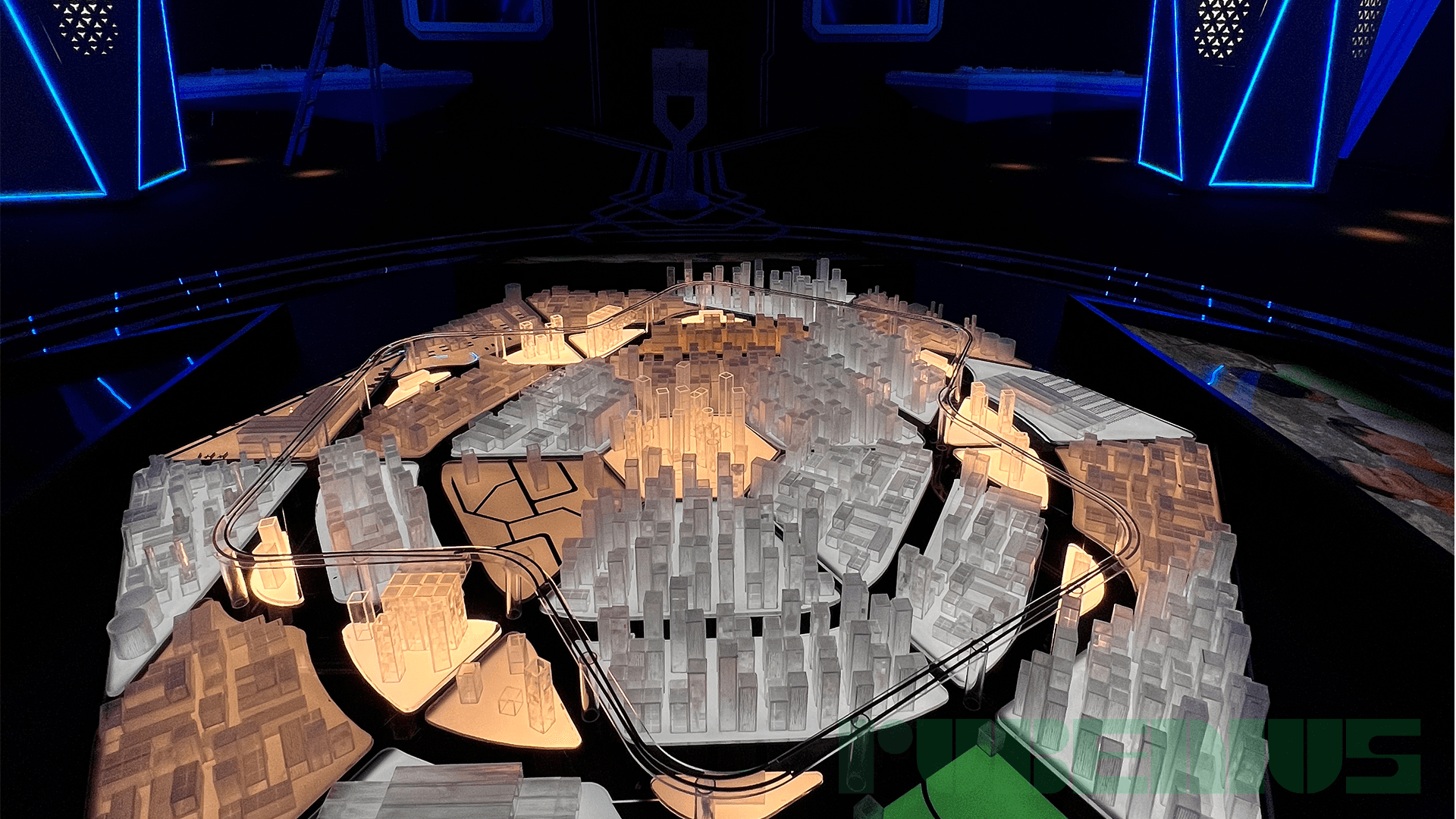
The REDS™ Behaviour-First Approach
At REDS™, every experience begins with a simple question:
What should people do differently after experiencing this space?
The answer becomes the foundation for every design decision.
Our behaviour-first approach focuses on five connected principles.
Purpose Before Space
Every experience center should solve a business challenge before solving a design challenge.
Whether the objective is attracting customers, onboarding employees, showcasing innovation, or strengthening investor confidence, purpose defines the experience.
Journey Before Layout
Visitors don't experience floor plans. They experience sequences. Every transition, interaction, and pause contributes to how information is understood and remembered. Designing the visitor journey first creates a more intuitive and engaging experience.
Story Before Screens
Technology should support communication, not replace it. Interactive displays, immersive environments, and digital installations become meaningful only when they reinforce a clear narrative. Without a story, technology quickly becomes decoration.
Interaction Before Information
People learn more effectively when they participate.
Instead of overwhelming visitors with large amounts of information, successful immersive experiences encourage exploration, discovery, and meaningful interaction. Engagement creates stronger understanding than passive observation.
Outcomes Before Completion
Opening day isn't the finish line. Visitor feedback, behavioural observations, and business outcomes reveal whether an experience center is achieving its purpose. Continuous improvement ensures the experience remains relevant as organisations evolve.
Why Behaviour Matters in Immersive Experiences
Immersive experiences are often associated with advanced technology such as projection mapping, interactive media, or augmented reality.
While these tools can enhance engagement, immersion isn't created by technology alone.
True immersion happens when visitors become emotionally and intellectually connected to the story being told.
A thoughtfully designed conversation can be more immersive than an expensive digital installation if it creates curiosity, understanding, and trust.
Technology should amplify behaviour, not define it.
The Future of Experience Center Design
Organizations are increasingly recognizing that experience centers are strategic business assets rather than architectural showcases.
As expectations evolve, success will depend less on visual impact and more on measurable visitor outcomes.
Questions such as these will become increasingly important:
Did visitors understand our value proposition?
Did the experience strengthen trust?
Did it influence decision-making?
Did people remember the story weeks later?
The organizations that answer "yes" won't necessarily have the largest spaces or the most technology.
They'll have the clearest understanding of human behaviour.
Designing Spaces That Change People
Every experience center is designed. The question is what it is designed to achieve. Some spaces are designed to impress architects. Others are designed to impress social media. The most successful experience centers are designed to influence people.
At REDS™, we believe architecture, storytelling, technology, and interaction should work together with one purpose: helping visitors understand, remember, and act.
Because when design begins with behavior instead of drawings, spaces don't just look better. They perform better.
Frequently Asked Questions
What is behavior-driven experience design?
Behavior-driven experience design is an approach that plans physical spaces around how visitors think, move, interact, and make decisions rather than focusing only on aesthetics.
Why is visitor behavior important in an experience center?
Understanding visitor behavior helps organizations create journeys that communicate information clearly, strengthen engagement, and improve business outcomes.
What makes an immersive experience effective?
An immersive experience combines storytelling, spatial design, interaction, and technology to create meaningful emotional and intellectual engagement. Technology alone does not create immersion.
How is behaviour-driven design different from interior design?
Interior design primarily focuses on functionality and appearance. Behaviour-driven design focuses on influencing visitor understanding, engagement, and decision-making through carefully planned experiences.
Why do some experience centers fail to engage visitors?
Many experience centers prioritize architecture or technology without considering visitor psychology, narrative flow, and behavioural patterns. This often results in experiences that look impressive but fail to communicate effectively.