
There Are Hundreds of Experience Center Designers. Here's What Most Are Missing.

When companies begin planning an experience center, the first search is often for an experience center designer. The assumption is simple: hire a design firm, create an impressive space, install the latest technology, and the experience will take care of itself.
In reality, that's where many projects go wrong.
An experience center designer should do far more than design an attractive environment. The role is to transform business objectives into physical experiences that educate visitors, communicate brand value, inspire confidence, and influence decisions. While many designers excel at creating beautiful spaces, fewer approach experience centers as strategic business assets.
The difference isn't in aesthetics. It's in intent.
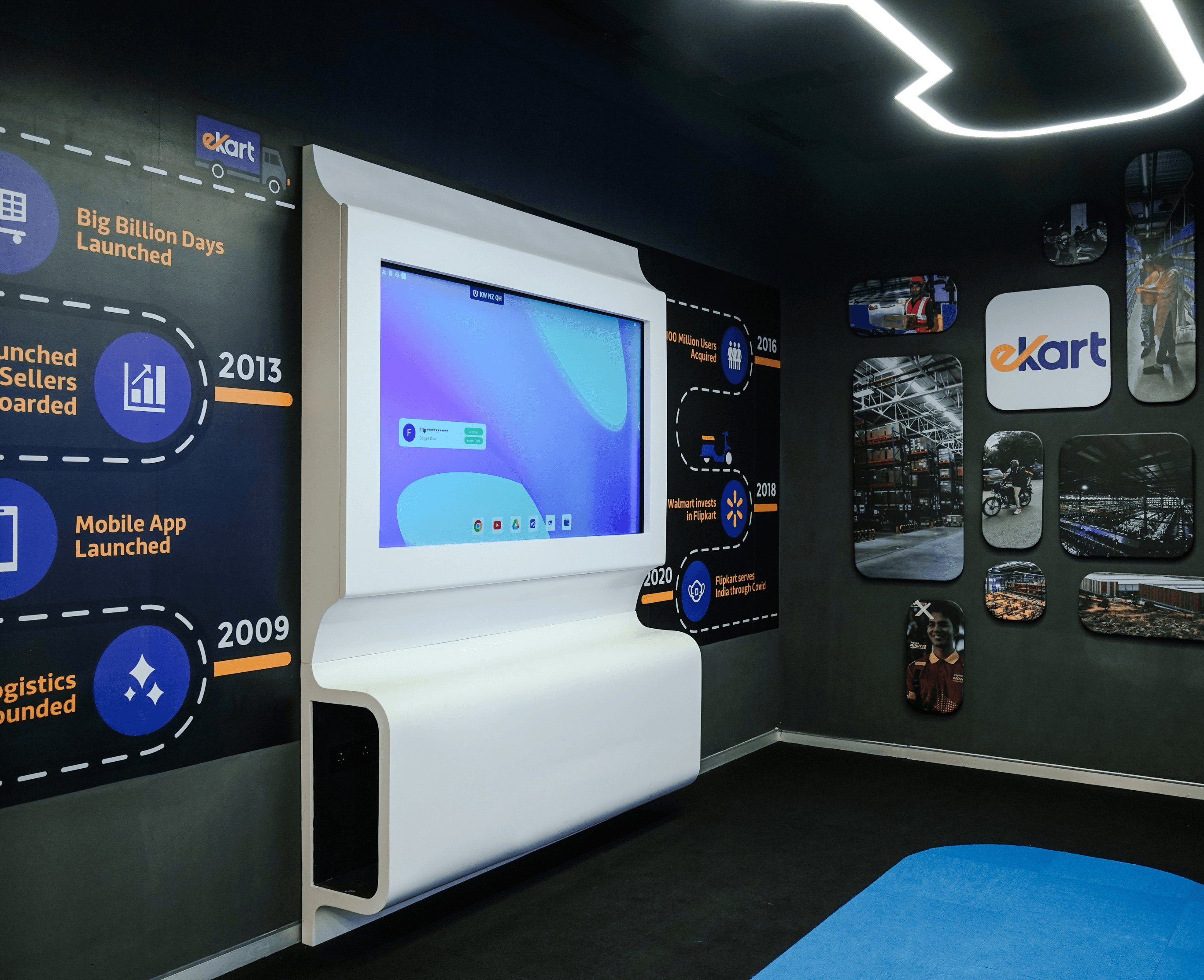
What Does an Experience Center Designer Actually Do?
An experience center designer is a multidisciplinary professional who combines architecture, spatial planning, storytelling, technology, content strategy, and visitor psychology to create environments that deliver meaningful business outcomes.
Unlike a traditional interior designer, whose primary responsibility is to create functional and visually appealing spaces, an experience center designer asks different questions:
What should visitors understand by the end of their journey?
Which moments are most important to remember?
How can the space reinforce the company's vision and credibility?
How will success be measured after the center opens?
The answers to these questions shape every design decisionfrom layout and lighting to interactive displays and digital experiences.
Why Beautiful Spaces Don't Always Create Great Experiences
Many experience centers look impressive on opening day but struggle to remain relevant over time. The issue is rarely the quality of architecture or finishes. Instead, it's the absence of a strategic foundation.
A visually striking space cannot compensate for unclear messaging, disconnected technology, or a visitor journey that lacks purpose.
Great experience centers are designed around outcomes, not objects.
Every element should support a larger narrative. Every interaction should answer a question, solve a problem, or strengthen trust. Without this alignment, even the most advanced installations risk becoming expensive displays rather than meaningful experiences.
What Most Experience Center Designers Are Missing
The biggest gap isn't creativityit's systems thinking.
Designing an experience center requires understanding how business strategy, spatial design, digital interaction, and human behaviour influence one another. Treating these disciplines as separate often leads to fragmented experiences.
At REDS™, we believe every successful experience center balances five interconnected capabilities:
Strategy
Every experience should begin with a clear business objective. Whether the goal is attracting investors, onboarding employees, engaging customers, or showcasing innovation, strategy determines what the space needs to achieve.
Storytelling
Visitors rarely remember every product specification or technical detail. They remember stories. A strong narrative connects individual exhibits into one cohesive journey that reflects the organization's purpose and vision.
Spatial Design
Space influences movement, attention, and emotion. The physical environment should naturally guide visitors from one moment to the next without confusion or distraction.
Technology
Interactive displays, projection mapping, immersive environments, and digital installations should support the storynot compete with it. Technology is most effective when it feels intuitive rather than overwhelming.
Measurement
An experience center is never truly finished. Visitor engagement, feedback, operational performance, and business outcomes provide valuable insights for continuous improvement.
When these five capabilities work together, the experience center becomes more than a destinationit becomes an active business tool.
Experience Design Is Different from Interior Design
Interior design focuses on creating comfortable, functional, and aesthetically pleasing environments.
Experience center design focuses on influencing perception and behaviour.
For example, a reception area can simply welcome visitors. An experience-driven reception introduces the company's vision before a single conversation begins.
A meeting room can host discussions. An experience-driven meeting room reinforces innovation, expertise, and credibility through carefully planned storytelling, technology, and spatial cues.
The distinction is subtle but significant. One designs spaces. The other designs experiences.
How to Choose the Right Experience Center Designer
Selecting the right design partner involves more than reviewing a portfolio.
Ask questions that reveal how they think.
How do you define success for an experience center?
How do you translate business goals into visitor experiences?
How do you develop the visitor journey?
What is your approach to content strategy?
How do you ensure technology remains relevant over time?
How will the experience evolve as the organization grows?
The quality of these answers often matters more than the number of completed projects.
A Better Way to Think About Experience Centers
The most successful experience centers are not designed around walls, displays, or technology. They are designed around people.
Every visitor arrives with different expectations, questions, and motivations. An effective experience center anticipates those needs and creates moments that educate, inspire, and build trust.
That requires more than creative design. It requires a structured approach that connects business strategy, storytelling, architecture, interaction, and measurement into one cohesive system.
At REDS™, this philosophy shapes every project we undertake. We don't begin by asking what the space should look like. We begin by asking what the experience should accomplishand then design every element to support that objective.
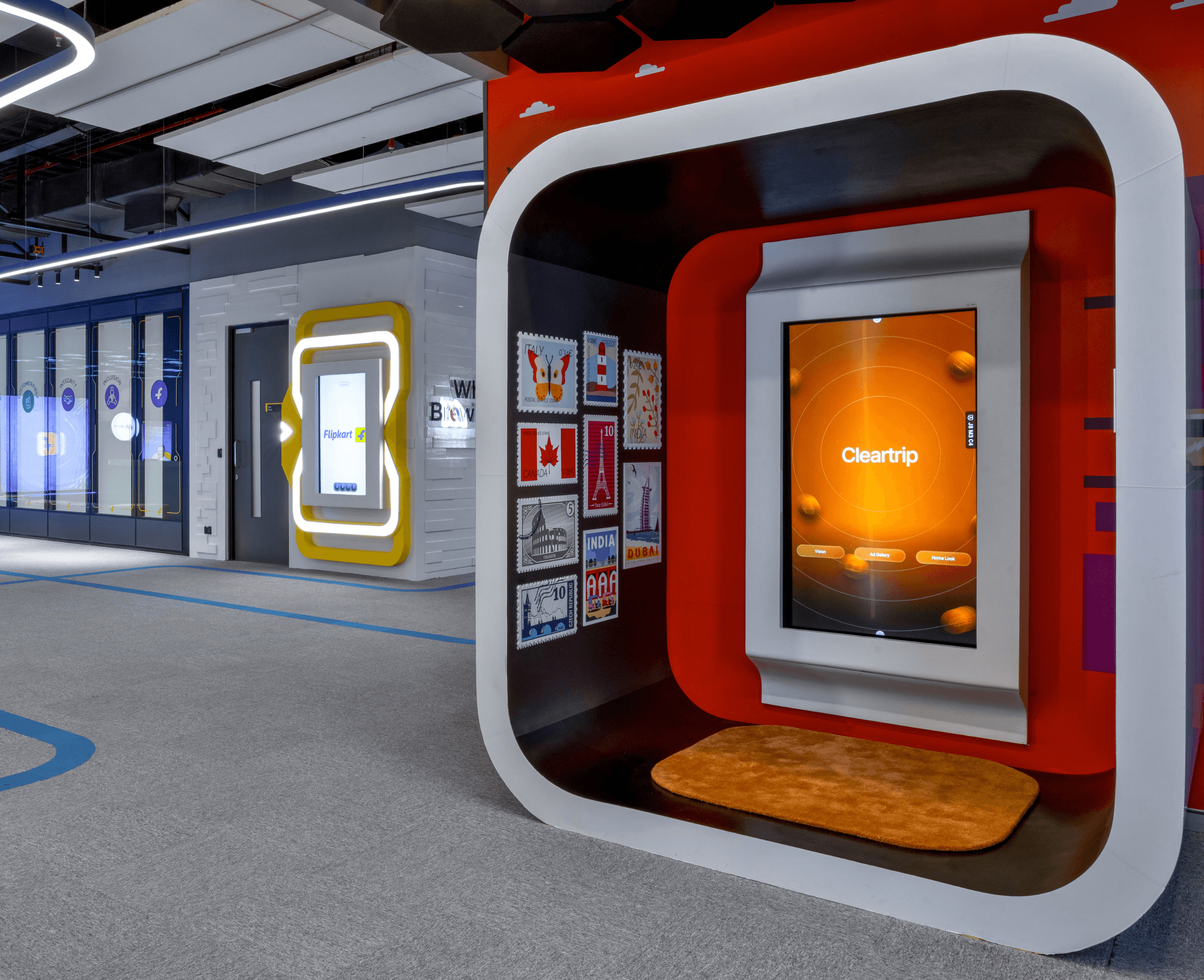
Key Takeaway
There may be hundreds of experience center designers, but the best ones don't simply create impressive environments.
They design experiences with purpose.
They understand that architecture communicates, technology supports, stories persuade, and visitor behaviour determines success. When these elements are planned together instead of independently, an experience center becomes more than a showcaseit becomes a strategic asset that strengthens relationships, accelerates decisions, and creates lasting business value.
Frequently Asked Questions
What is an experience center designer?
An experience center designer is a professional who combines strategy, architecture, storytelling, technology, and visitor journey planning to create environments that communicate a company's brand, innovation, and capabilities.
How is an experience center designer different from an interior designer?
Interior designers focus primarily on functionality and aesthetics. Experience center designers focus on creating spaces that influence understanding, engagement, and decision-making while integrating storytelling and interactive technology.