
Design That Isn't Measured Cannot Be Improved

An experience center may open with glowing feedback, impressive architecture, and the latest immersive technology, but the true measure of its success begins after the ribbon-cutting ceremony. Once the first wave of visitors has passed through the space, an important question remains: Is the experience achieving what it was designed to do?
Surprisingly, many organizations don't have an answer.
Experience centers are often evaluated based on aesthetics, construction quality, or the technology installed within them. While these are important aspects of the project, they don't reveal whether the space is influencing visitors, communicating the right message, or supporting business objectives. A beautifully designed environment can still fall short if it fails to educate, inspire confidence, or strengthen relationships.
At REDS™, we believe that every experience center should be treated as a living business asset. Like any strategic investment, its performance should be measured, reviewed, and continuously improved.

Why Measuring Design Matters
The purpose of an experience center extends beyond creating a memorable visit. It exists to help an organization communicate its story, demonstrate its capabilities, showcase innovation, and build trust with customers, investors, employees, or partners. If those objectives are not being achieved, then the design—regardless of how visually impressive it may be—has room for improvement.
This is where many organizations stop too early. Once construction is complete, the project is considered finished. However, an experience center continues to generate valuable insights every day through the way visitors move through the space, interact with exhibits, ask questions, and respond to the overall journey. These insights can reveal what is working, what is being overlooked, and where the experience can become even more effective.
The most successful experience centers are not static environments. They evolve because their owners understand that design is an ongoing process rather than a one-time deliverable.
What Should Be Measured?
Measuring an experience center does not mean reducing creativity to numbers. Instead, it means understanding whether the design is delivering the intended outcome.
One of the most valuable indicators is visitor engagement. Which exhibits attract the most attention? Where do visitors spend the longest amount of time? Which installations are consistently skipped? Observing these behavioural patterns often reveals far more than assumptions made during the design phase.
Another important measure is message retention. After completing the journey, can visitors clearly explain the organization's value proposition? Do they remember the innovations, products, or achievements the experience was designed to highlight? If visitors leave remembering the architecture but not the story, the experience needs refinement.
Organizations should also consider business outcomes. Depending on the purpose of the experience center, success may be reflected in stronger customer confidence, faster sales conversations, improved employee onboarding, increased investor engagement, or higher participation in innovation programs. These outcomes demonstrate whether the space is supporting broader organizational goals.
Finally, operational performance should not be overlooked. Interactive technologies should function reliably, content should remain current, and visitor feedback should be reviewed regularly. Small operational issues, when ignored, can gradually diminish the overall quality of the experience.
From Assumptions to Evidence
One of the greatest advantages of measurement is that it replaces opinion with evidence.
Without meaningful data, decisions are often based on personal preferences. One stakeholder may believe an exhibit is highly effective because it looks impressive, while another may feel it should be redesigned. Neither perspective provides the full picture.
When visitor behaviour, feedback, and performance indicators are analysed together, design decisions become more informed. Instead of asking, "Do we like this feature?" organizations begin asking, "Is this feature helping visitors understand our story?"
That shift changes the entire design process. Improvement becomes intentional rather than reactive.
The REDS™ Perspective: Design Is Never Finished
At REDS™, we see measurement as an essential part of experience center design not something that happens after the project is complete.
Every experience center is created to influence people, and people's expectations evolve over time. New products are launched, business priorities shift, technologies advance, and visitor profiles change. A space that performed exceptionally well two years ago may require adjustments to remain equally effective today.
This is why we encourage organizations to regularly evaluate their experience centres through a combination of visitor observations, stakeholder feedback, content reviews, and business performance. The goal is not to redesign everything, but to make informed improvements that keep the experience relevant.
When organizations embrace continuous measurement, they extend the life of their investment while ensuring the experience continues to deliver value.
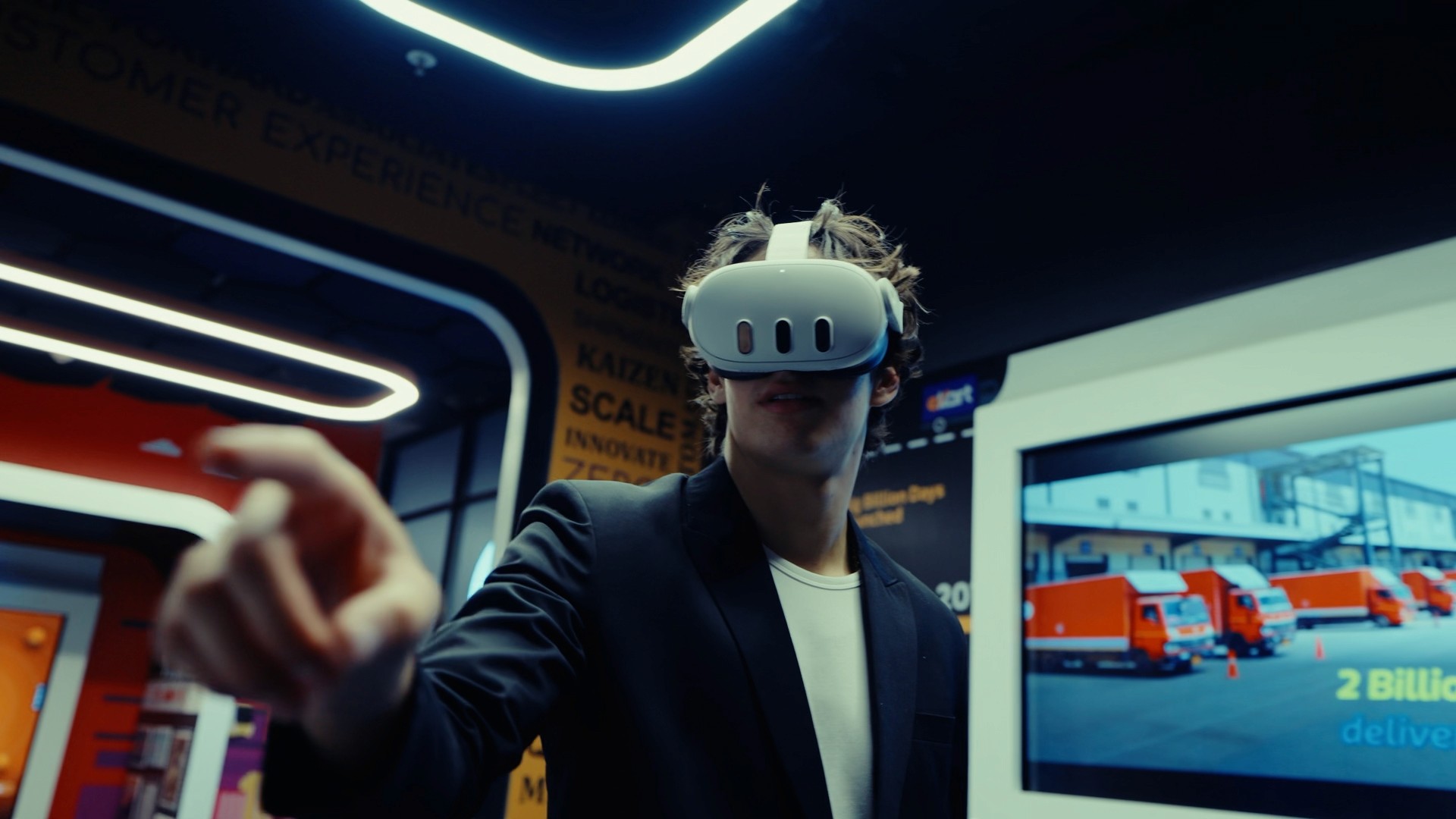
Better Experiences Are Built Through Continuous Improvement
The most successful experience centers are rarely perfect from day one. They become exceptional because they are refined over time.
Every visitor interaction provides an opportunity to learn. Every question asked by a customer reveals how clearly the story is being communicated. Every exhibit that consistently attracts attention highlights what resonates most with the audience. These observations should not be viewed as isolated events but as valuable insights that guide future improvements.
Great design is not defined by the absence of change. It is defined by the willingness to evolve.
An experience center that is measured regularly becomes more engaging, more relevant, and more closely aligned with the organization's goals. It moves beyond being an impressive physical space and becomes a strategic business tool that grows stronger with every improvement.
Because ultimately, design isn't successful when it is completed. It is successful when it continues to perform.
Frequently Asked Questions
Why should experience center design be measured?
Measuring design helps organizations understand whether their experience center is achieving its intended business objectives, engaging visitors effectively, and communicating the right message.
What metrics are useful for evaluating an experience center?
Useful metrics include visitor engagement, exhibit interaction, message retention, visitor feedback, operational performance, and business outcomes such as customer confidence or employee engagement.
Can an experience center be improved after it opens?
Yes. The best experience centers evolve through regular content updates, visitor feedback, technology improvements, and ongoing evaluation of the visitor journey.
How often should an experience center be reviewed?
Organizations should review content, visitor behaviour, and operational performance regularly, especially after major business updates, product launches, or changes in visitor expectations.
What is the biggest mistake organizations make after launching an experience center?
One of the most common mistakes is treating the project as complete after opening. Without ongoing measurement and improvement, even well-designed experience centers can lose relevance over time.