Innovation Lab
From classroom to working prototype.
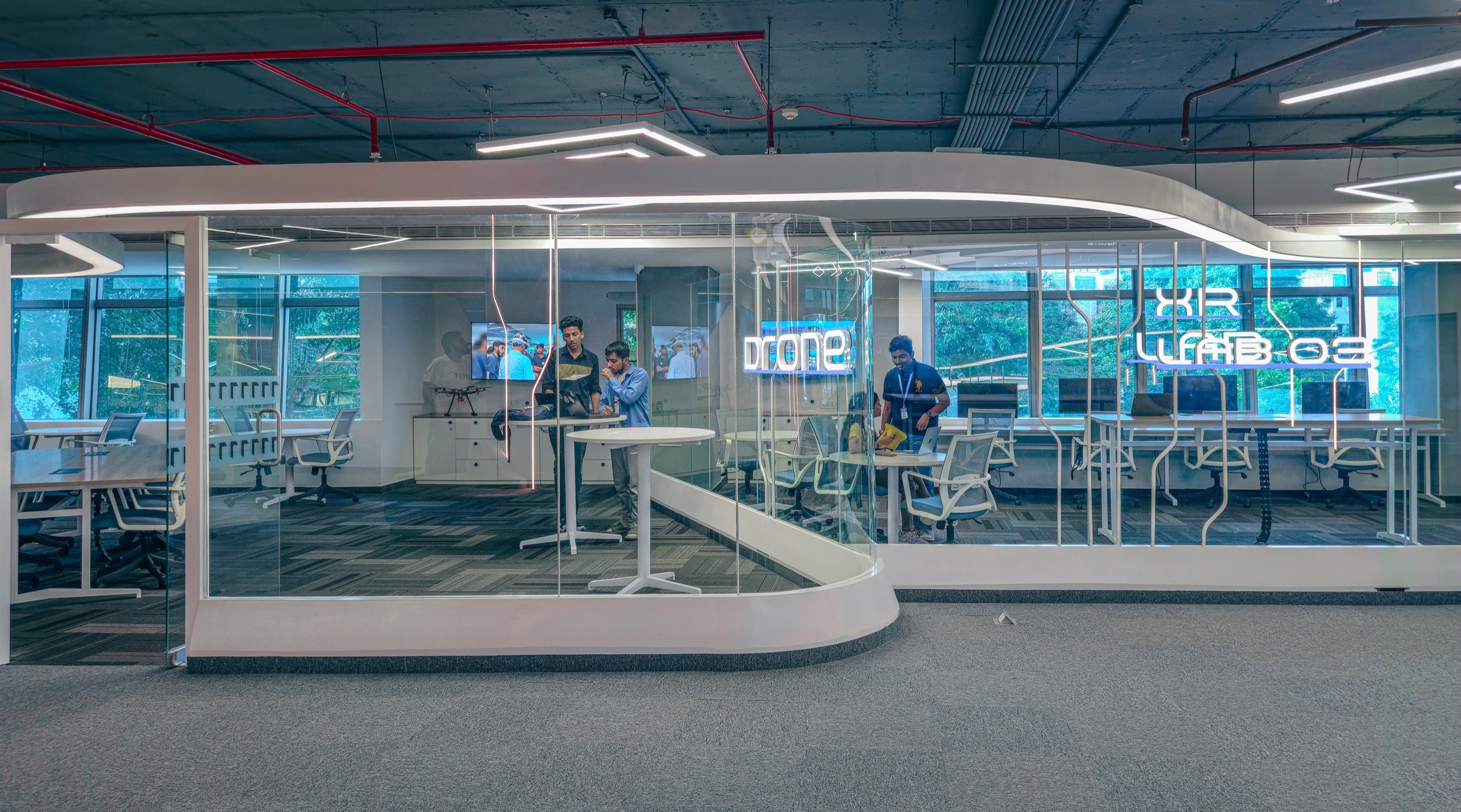
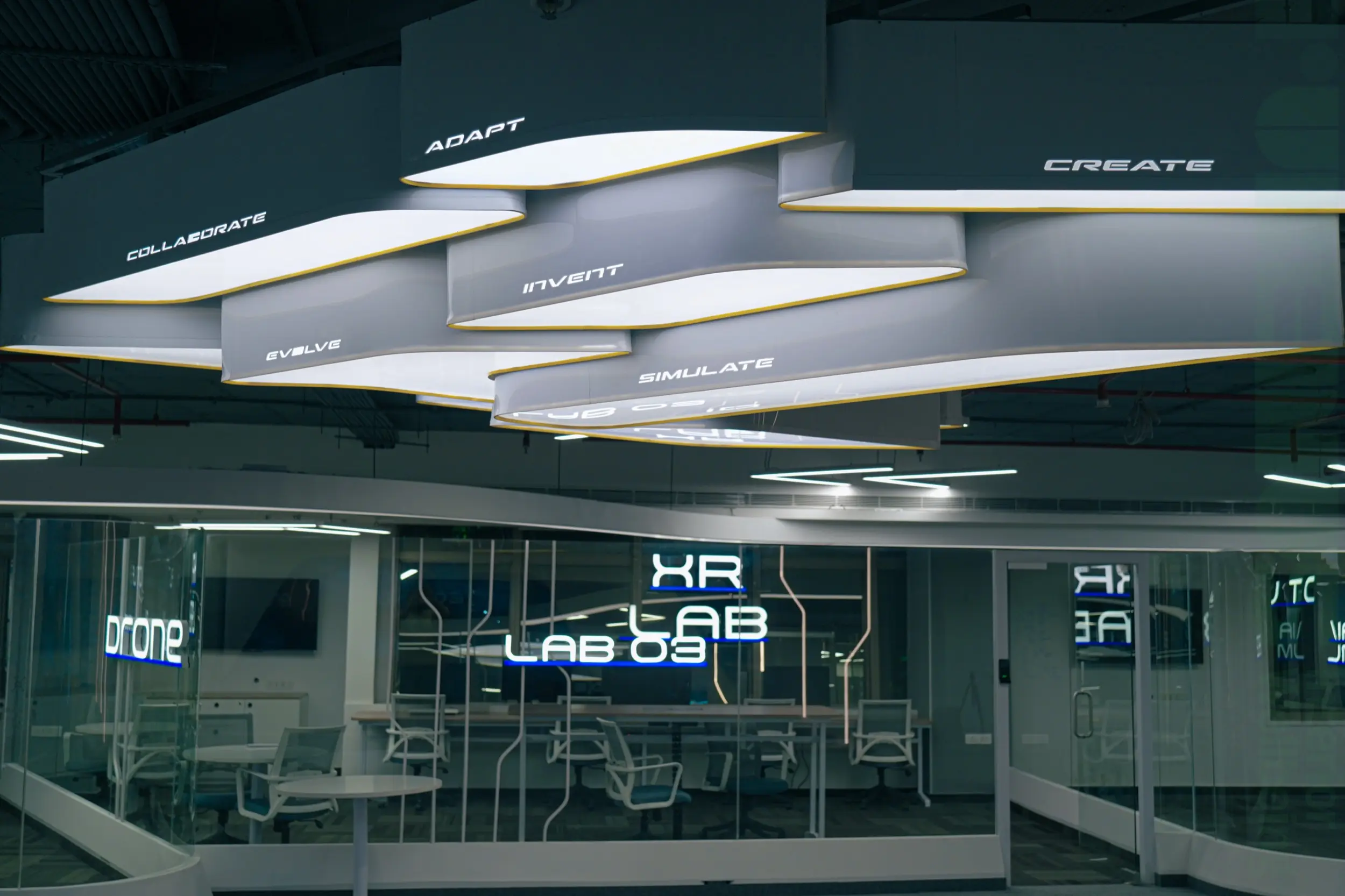
An innovation environment designed to make R&D legible — where ideas move from sketch to prototype in a spatial sequence visitors can follow without a lab tour guide.

Client
Sector
Location
Solution
03 The response
We turned learning into a spatial experience.
Clarify
Make the purpose of the lab easy to understand.
Activate
Give learners places to test, build, discuss, and refine ideas.
Demonstrate
Make process, progress, and outcomes visible inside the space.
04 Experience journey
The space had to make learning feel active from the first moment.
01
Arrival
Set the tone for exploration and experimentation.
02
Orientation
Help learners understand the tools, zones, and possibilities.
03
Exploration
Create areas for observation, research, and early ideation.
04
Prototyping
Support making, testing, iteration, and peer collaboration.
05
Sharing
Give learners a way to explain what they built and what they learned.
05 What we built
A space where ideas could become visible.
Every layer was designed to support curiosity, collaboration, and applied learning.
01 / Decode

Discovery zones
Created areas for research, prompts, references, and inspiration.
01 / Decode
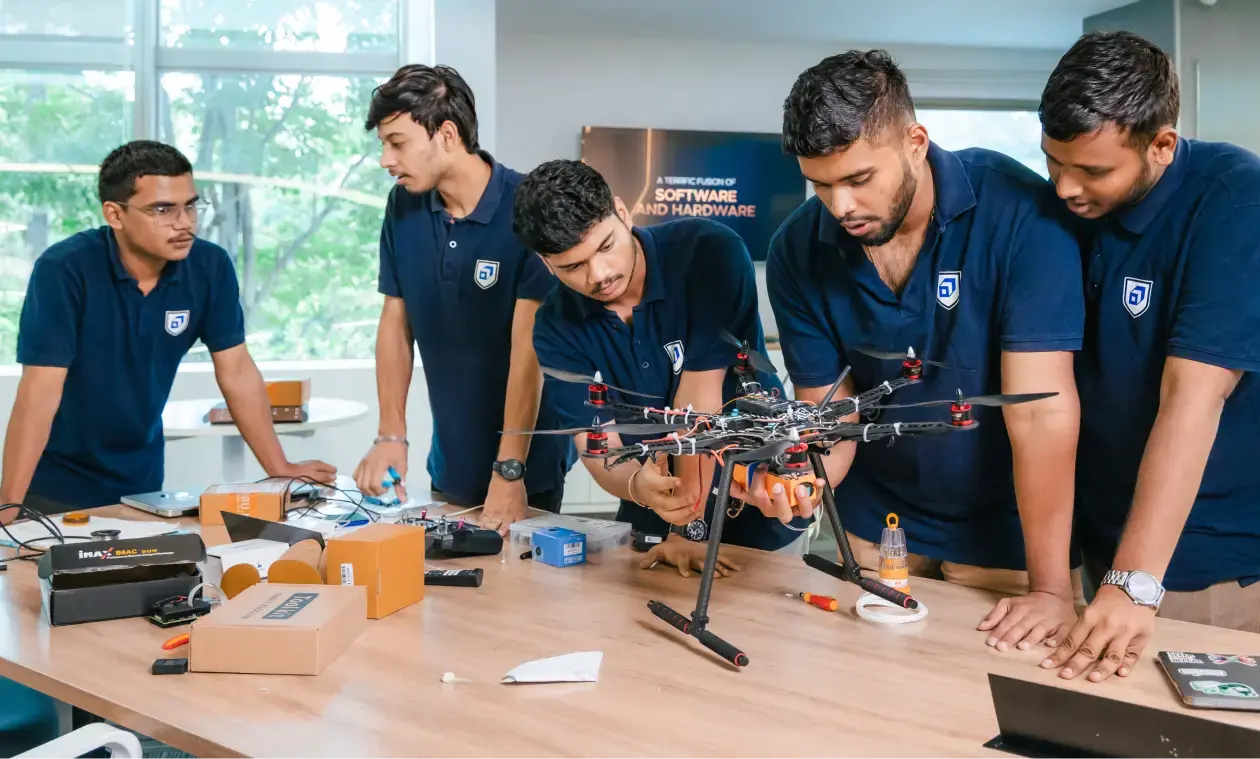
Prototyping tables
Supported making, testing, peer review, and group work.
01 / Decode

Display and pin-up areas
Made work-in-progress visible to teachers, peers, and visitors.
01 / Decode

Flexible learning layout
Allowed the room to shift between instruction, collaboration, and presentation.
01 / Decode

Identity and atmosphere
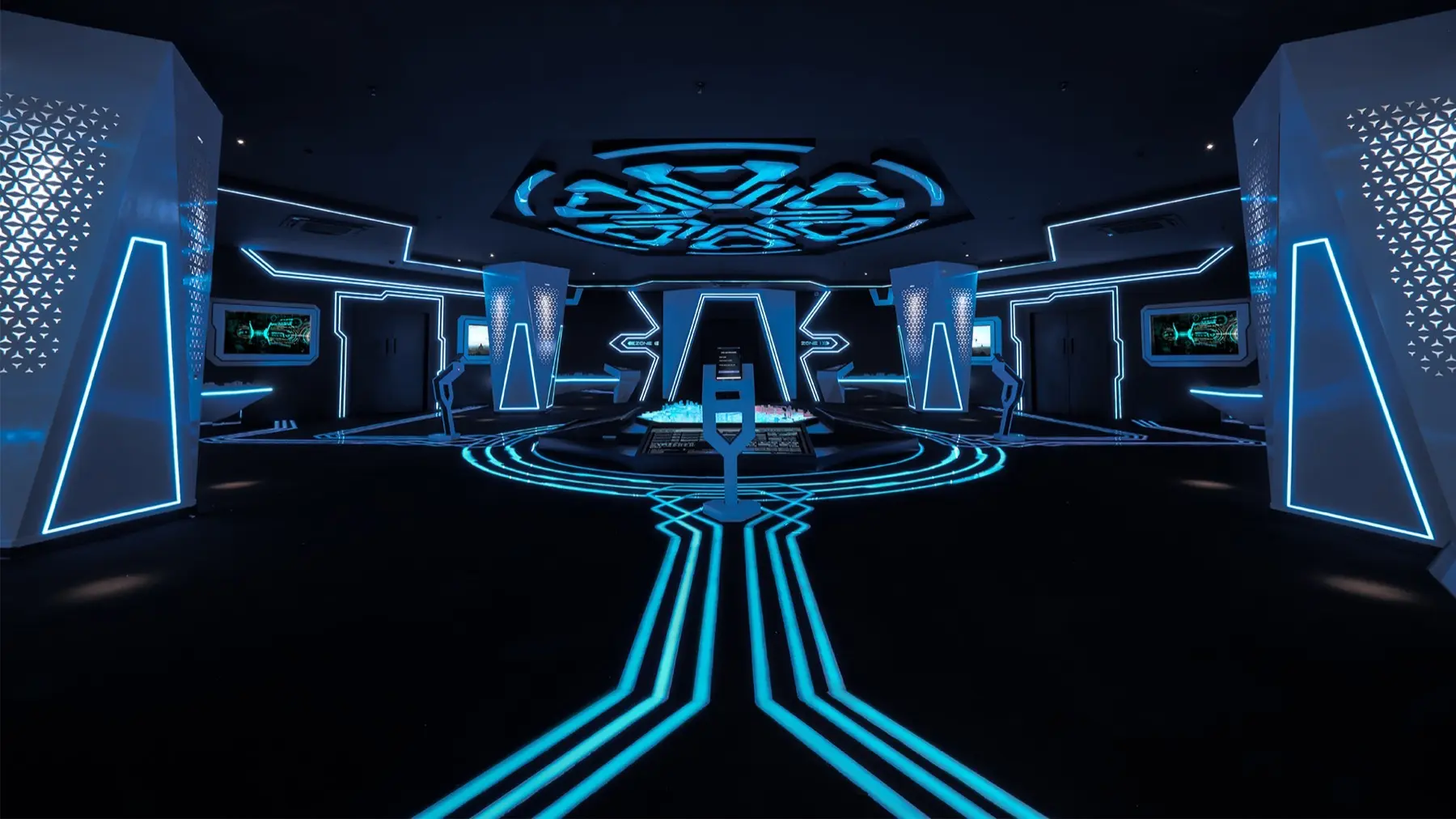
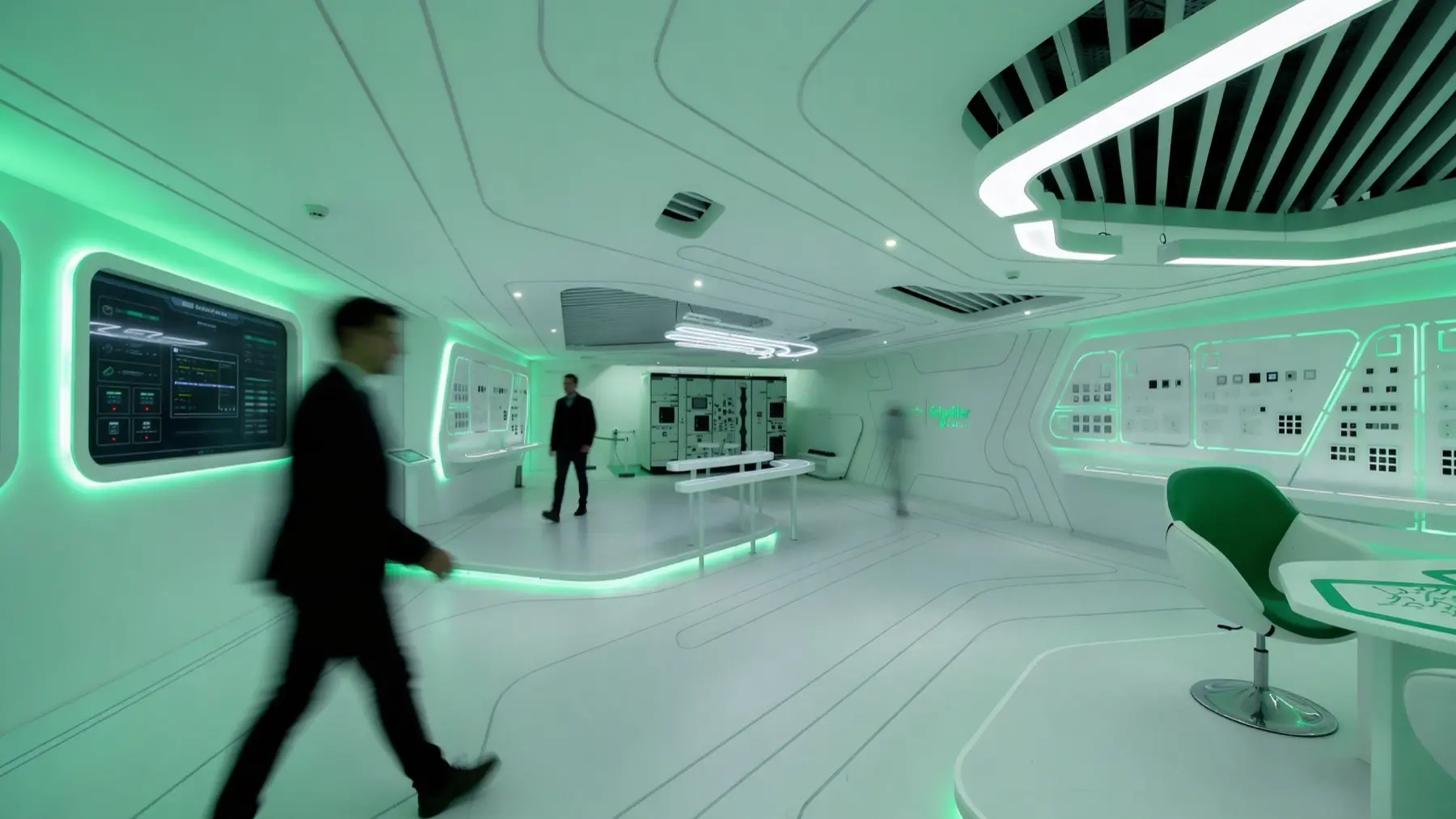
Used visual cues, material direction, and spatial rhythm to make the lab feel distinct from a regular classroom.
06 REDSxP™ LAYERS
Six layers. One learning environment.
The project was shaped through strategy, story, technology, craft, psychology, and performance.
Strategy
Defined the role of the lab in the learning journey.
Storytelling
Turned the idea of innovation into a clear spatial sequence.
Technology
Supported research, demonstration, presentation, and applied learning where useful.
Craft
Used layout, material, light, and detail to make the space feel active and credible.
Psychology
Designed for curiosity, participation, attention, and confidence.
Performance
Set the lens for engagement, collaboration, and applied understanding.
07 Outcome
The lab made ideas easier to test and explain.
The value of the environment was judged by how well it supported participation, experimentation, and visible learning.