
What Is a Phygital Experience Center?

A visitor picks up a physical product, and a screen beside it instantly responds with data, specifications, or a story tied to exactly what they are holding. Nothing about that moment feels like two separate systems, a physical object and a digital layer, working in parallel. It feels like one continuous experience. That seamlessness is the entire idea behind phygital design, and it has quietly become the standard that modern experience centres are judged against.
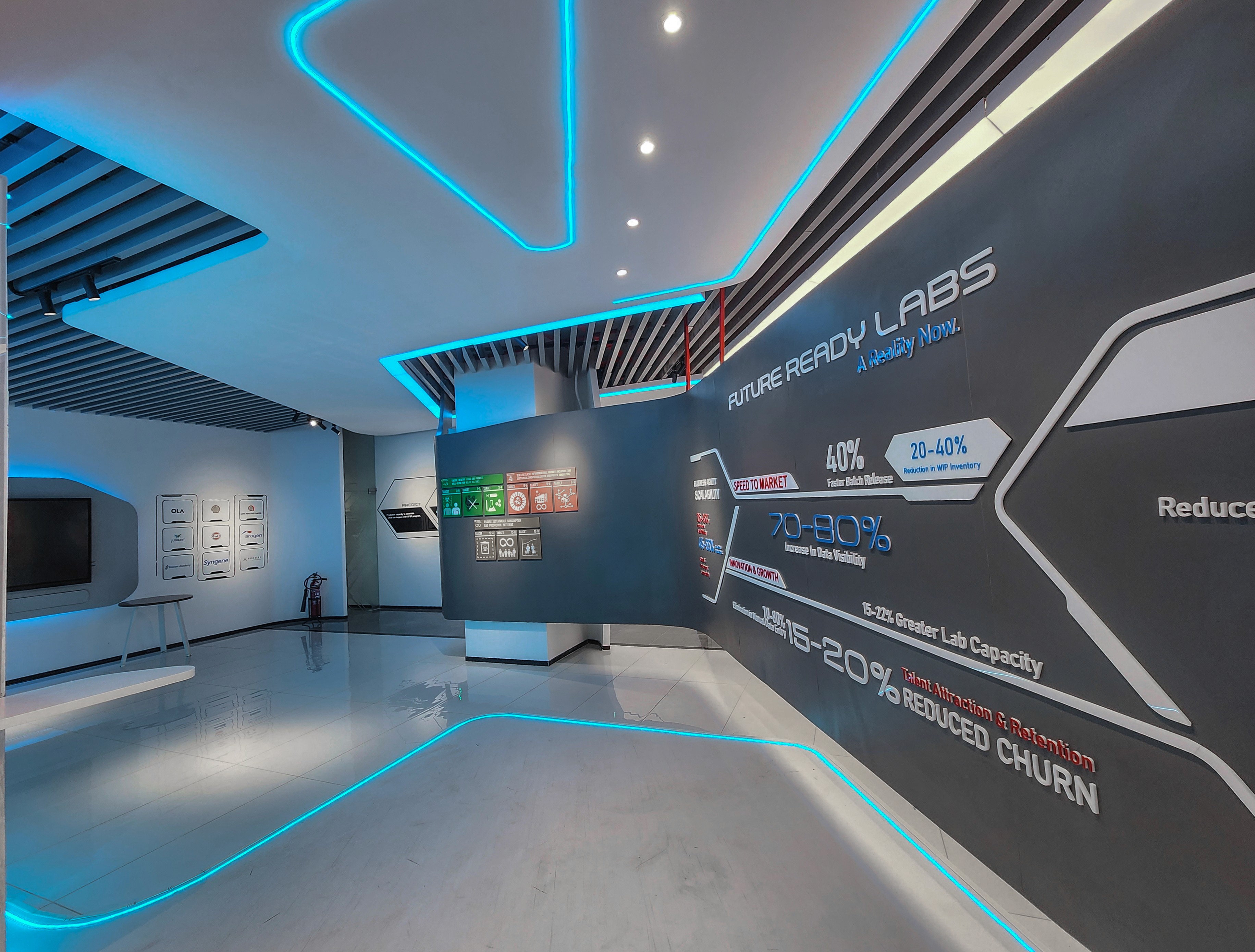
What Is Phygital and Where the Term Comes From
Phygital is the blending of physical and digital elements into a single, continuous experience, rather than treating them as separate layers that happen to sit in the same room. The term itself is a combination of physical and digital, but the concept is older than the word, rooted in the idea that people do not experience the world in silos, and their environments should not force them to.
In an , phygital design means physical objects, spatial layout, and digital content are built to respond to each other in real time, rather than existing as a static room with a screen mounted on the wall as an afterthought.
Understanding the Hybrid Experience Model
A hybrid experience combines multiple modes of engagement, physical interaction, digital content, and sometimes remote or virtual participation, into one coordinated journey. The defining feature of a well built hybrid experience is that visitors move between these modes without friction or confusion.
This matters increasingly as organizations need experience centers to serve both in person visitors and remote stakeholders who cannot travel. A well designed hybrid experience allows a visitor standing in the room and a participant joining virtually to engage with largely the same narrative, even though their physical context is completely different.
How a Digital Experience Centre Differs from a Traditional One
A digital experience centre places digital content, data visualisation, interactive displays, and often AI-driven personalisation at the centre of the visitor journey, rather than treating digital elements as supplementary decoration inside an otherwise conventional space.
The distinction is not simply how many screens are present. A traditional experience centre might include several displays that operate independently. A true digital experience centre choreographs those elements together, so content on one wall informs or responds to what a visitor triggered somewhere else in the journey. That coordination is what separates a digitally decorated room from a genuinely digital experience centre.
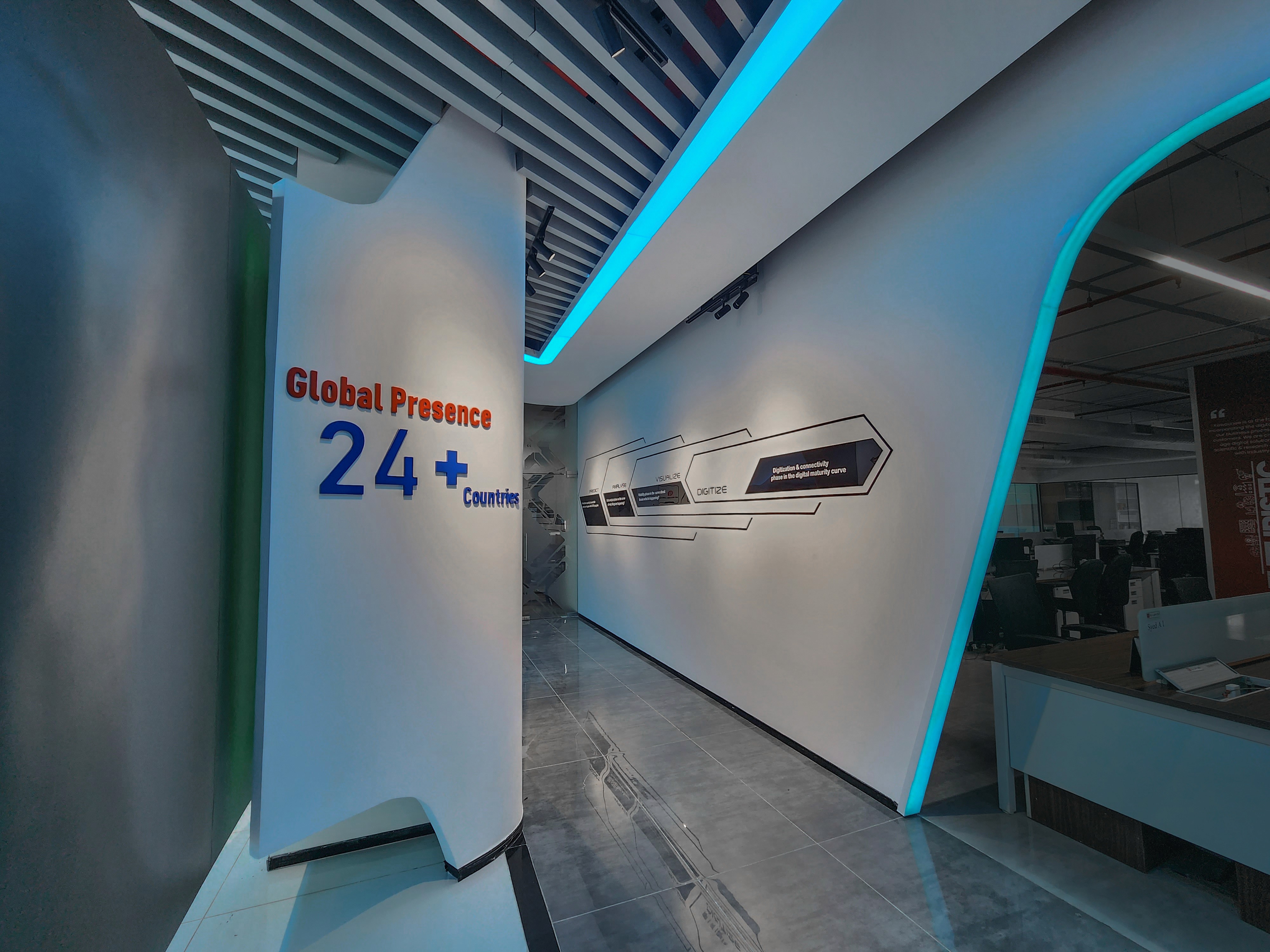
Why Immersive Experience Design Depends on Phygital Thinking
Immersive experience design aims to fully absorb a visitor's attention, using scale, sound, motion, and interaction to make them feel present inside a story rather than observing it from a distance. Immersive experience rarely succeeds through digital elements alone, because a screen without physical context can feel flat, and a physical space without digital layering can feel static.
Phygital thinking is what allows immersive experience design to reach its full potential. Physical scale and material create a sense of presence that digital content alone cannot replicate, while digital layering adds responsiveness and personalization that a purely physical space cannot achieve on its own. Together, they produce an environment that feels alive rather than either overly digital or simply decorated.
How REDS Designs Phygital Environments That Actually Work
This is the standard REDS builds toward with every project: environments where phygital integration serves the story, rather than existing simply because the technology is available. The process starts by identifying which moments in a visitor journey benefit from physical presence and which moments benefit from digital responsiveness, then designing the two to work as a single system rather than two separate installations sharing a room.
The result is a hybrid experience and digital experience center that feels coherent rather than assembled, where a visitor never has to consciously notice the seam between the physical object in front of them and the digital layer responding to it.
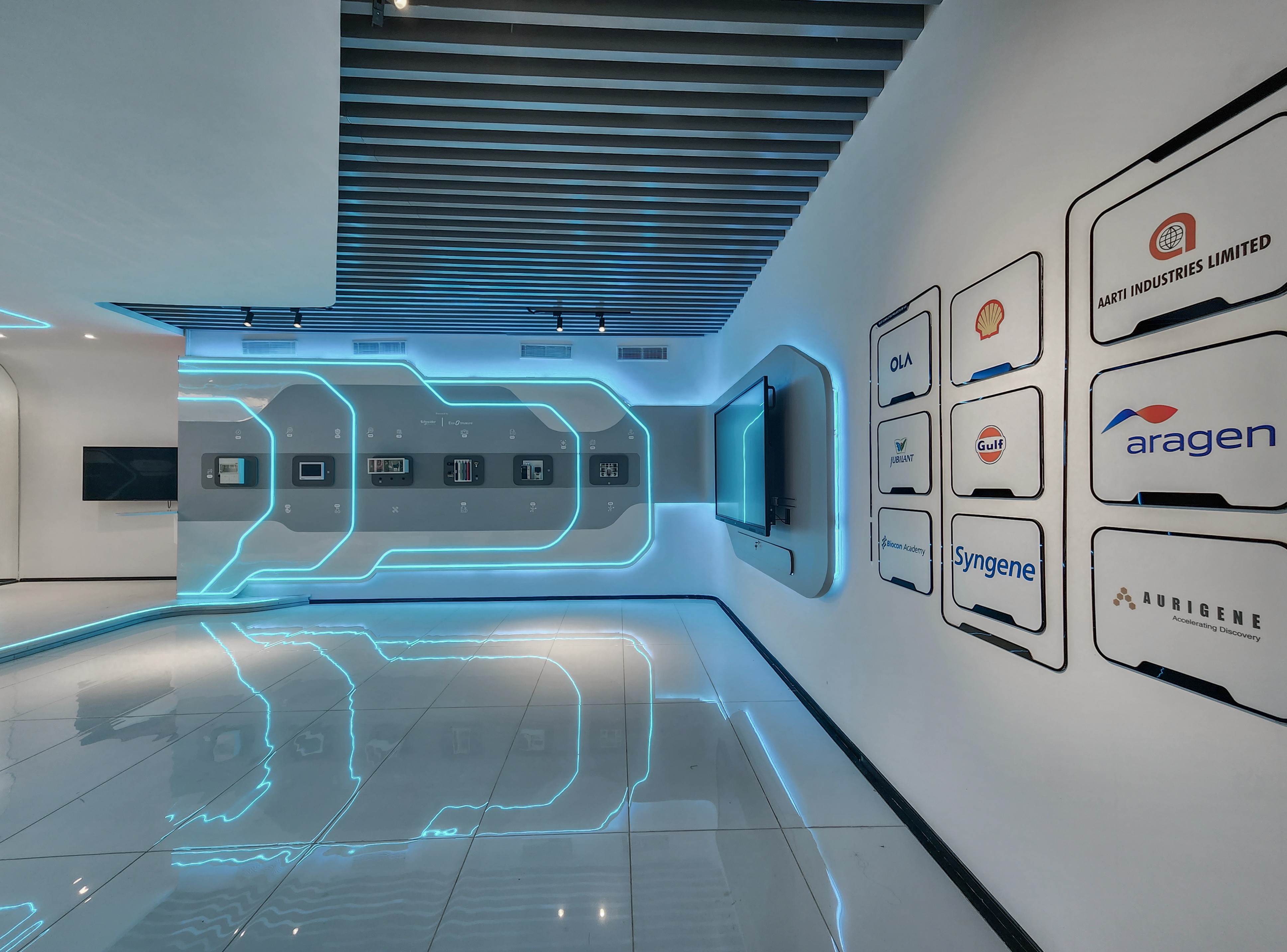
Ready to Build a Phygital Experience Center
If your current space treats digital technology as decoration rather than a coordinated part of the journey, visitors are likely noticing the seams. REDS designs phygital experience centers where hybrid experience, digital layers, and immersive experience design work as one integrated system.
Talk to REDS about designing a phygital experience center built around your organization's story.
Frequently Asked Questions
What does phygital mean? Phygital refers to the blending of physical and digital elements into a single, seamless experience, where the two layers respond to and inform each other rather than functioning as separate systems in the same space.
What is a hybrid experience in an experience center? A hybrid experience combines multiple modes of engagement, including physical interaction, digital content, and sometimes remote participation, into one coordinated visitor journey without friction between the modes.
How is a digital experience center different from a traditional experience center? A digital experience center places coordinated digital content, data visualization, and interactive technology at the core of the visitor journey, while a traditional experience center typically treats digital elements as supplementary rather than central.
Why is phygital design important for immersive experience creation? Phygital design combines the physical presence needed for genuine immersion with the responsiveness and personalization that digital layers provide, producing environments that feel alive rather than either purely physical or purely screen based.