
The Expensive Illusion: Why Beautiful Spaces Fail
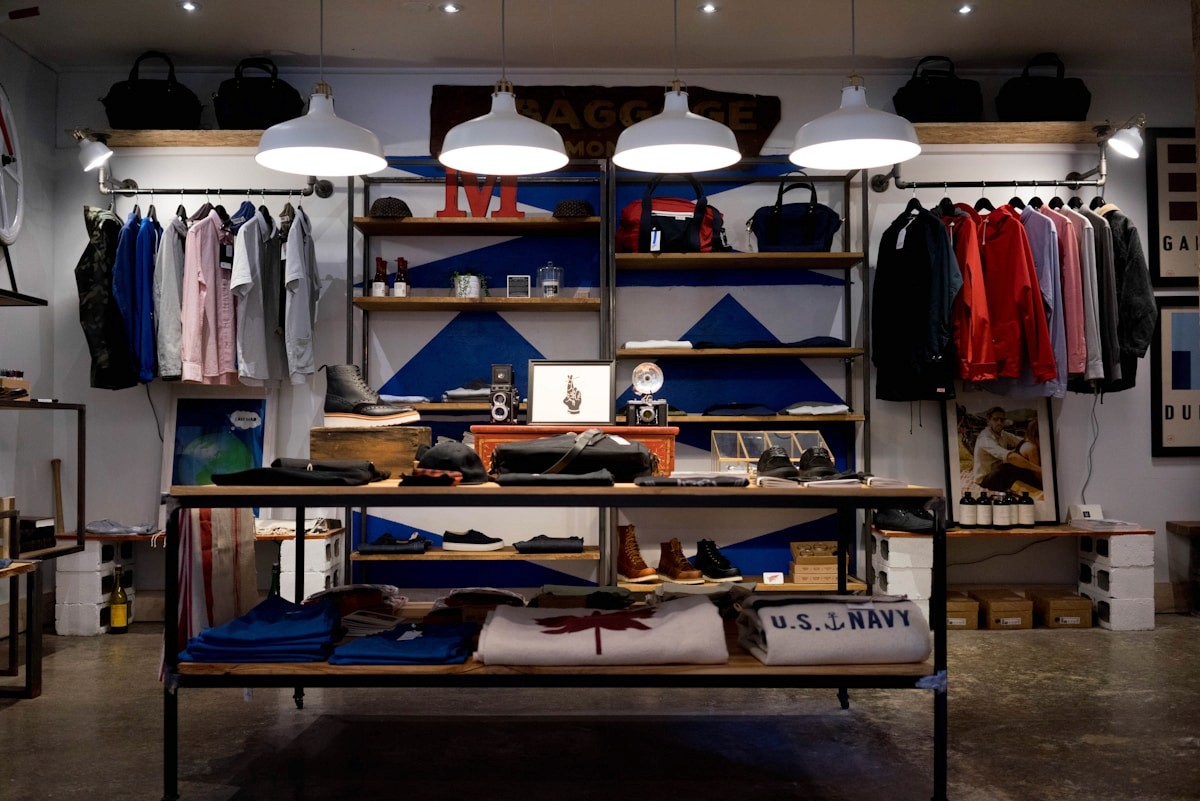
A multinational brand invested ₹2.3 crore in a flagship retail space in Mumbai. The marble was flawless, the brass detailing was bespoke, the lighting was carefully crafted and every corner was designed to look impressive. Yet the project lacked a clear strategic spatial design approach connecting the visual language to customer behaviour and business goals. Footfall increased by 12% during the first month, but six months later, customer dwell time had returned to its earlier level. The brand struggled to explain what made the space distinctive, while employees found the environment difficult to use for everyday customer interactions. The space looked exceptional. It simply was not doing enough.
This is a common problem in modern interior design. Brands invest heavily in creating visually impressive environments, but the brief often begins with appearance rather than purpose. When there is no clarity about what a space should achieve, even an expensive interior can become little more than decoration.

Why Design Intent Matters
Retail stores, corporate offices, experience centres, hospitality spaces and innovation environments are no longer passive backdrops for business. They influence how people move, interact, understand information, make decisions and remember a brand. Yet spatial projects are still frequently evaluated through aesthetics, budget and completion timelines rather than the experience they create.
A retail store can attract visitors without encouraging exploration. A workplace can look contemporary without improving collaboration. An experience centre can be filled with advanced technology without helping visitors understand the brand. The difference lies in design intent.
Strategic spatial design begins by asking what the environment needs to accomplish. Who will use it? What should they feel, understand or do? What behaviours should the space encourage? What business outcome should the investment support? These questions provide the foundation for meaningful design decisions.
Decoration Is Not the Same as Design
There is an important distinction between decorating a space and designing one. Decoration focuses primarily on how an environment looks. Design considers how it works and what it communicates.
Consider a corporate reception area. A conventional interior design approach may focus on premium finishes, statement lighting, furniture and artwork. A strategic approach also considers what happens when a visitor enters. Should the space communicate innovation, trust or collaboration? Should visitors immediately understand where to go? Should the environment create an opportunity for interaction with the brand?
Once those questions are answered, materials, lighting, spatial planning, acoustics, digital technology and storytelling can work together around a clear objective.

Why More Budget Does Not Always Mean Better Design
A larger budget can provide better materials, technology and craftsmanship, but it cannot compensate for an unclear brief. An expensive environment without a strategy can still feel generic, while a carefully planned space can create a strong experience without relying entirely on premium finishes.
This is particularly important in India, where spatial projects often involve multiple consultants, contractors and specialist vendors. When each team optimises its own scope, the overall experience can lose coherence. The architect may solve the building, the interior designer the finishes, the technology vendor the interactive systems and the lighting consultant the illumination, but someone still needs to connect all of those decisions to the intended outcome.
That is where experiential design becomes important.
Designing for People and Business Outcomes
Experiential design looks at space through the relationship between people, environment and purpose. It considers human behaviour alongside spatial planning, storytelling, technology and brand strategy.
At REDS™, the Rubenius Experiential Design System approaches spatial design from this perspective. The process begins with understanding the strategic problem and intended experience before moving into design, development and execution. The objective is not simply to create a visually impressive environment, but to make the space work harder for the brand and the people using it.
A successful space should communicate something, enable something and ideally create a measurable difference.
The future of interior design will therefore be less about choosing between beauty and functionality and more about bringing the two together. Aesthetic quality still matters, but it becomes significantly more valuable when it supports a clear purpose.
The better question for any major spatial investment is not "How should this space look?" It is "What should this space achieve?"
Design With Intent
Your next space should do more than look impressive. It should communicate your brand, shape behaviour and create a meaningful experience for the people who use it.
Planning a retail space, workplace, experience centre or innovation environment? Talk to REDSxP team about designing a space with a clear purpose and measurable intent.
Frequently Asked Questions
What is strategic spatial design?
Strategic spatial design connects business objectives, human behaviour and physical space to create purposeful environments.
What is experiential design?
Experiential design focuses on how people interact with and experience a space, using design, technology, storytelling and spatial planning.
Why is design intent important?
Design intent ensures that decisions about layout, materials, technology and aesthetics support a specific purpose or outcome.
Can a beautiful interior still fail?
Yes. A visually impressive space can underperform if it does not support user needs, brand objectives or desired behaviours.
How does REDS™ approach spatial design?
REDS™ connects strategy, storytelling, technology, spatial design, human behaviour and execution to create purposeful brand experiences.
Designing Spaces That Do More
At REDS™, we believe a space should do more than look good. It should communicate the brand, influence behaviour and support the purpose behind the investment.
Planning a retail environment, workplace, experience centre or innovation space? Talk to REDS™ about designing an experience built around what your space needs to achieve.